
The NCLEX, or National Council Licensure Examination, is one of the most significant tests a nursing student will face. It’s not just a regular exam – it’s a gateway to your future career as a registered nurse (RN) or licensed practical nurse (LPN). But what happens if you don’t pass on the first attempt?
How many times can you take the NCLEX in a year if you don’t pass the first time? This question can cause a lot of anxiety for those preparing to take the exam, especially for those who feel the pressure to pass quickly. But don’t worry—if you don’t pass, you have options and time to improve before you try again.
In this article, we’ll walk through the specific rules surrounding retaking the NCLEX, how often you can take the test, and what to do after failing.
We’ll also share tips on how to better prepare for the NCLEX if you need to take it more than once. Whether you’re preparing for the NCLEX-RN or NCLEX-PN, we’ll cover what you need to know and how to approach your studies for success.
Understanding the NCLEX
Before diving into the retake rules, it's important to understand what the NCLEX is and how it works. The NCLEX is the exam required for nursing licensure in the United States. For those aspiring to be registered nurses, the NCLEX-RN assesses whether a nursing graduate can provide safe and effective care.
For those on the path to becoming licensed practical nurses, the NCLEX-PN does the same. This is not just any test – it’s a comprehensive, computer-adaptive exam designed to ensure you can handle the responsibilities of patient care.
One thing that sets the NCLEX apart is the computer-adaptive testing (CAT) format. The test adjusts in difficulty based on your answers. The more you answer correctly, the harder the questions get. If you struggle, the questions will become easier. This dynamic process aims to gauge your competency level accurately.
And while the NCLEX is certainly a challenge, it’s one that many nursing students successfully conquer. If you don’t pass on your first try, it’s important to know that you can always try again.

How Many Times Can You Take the NCLEX in a Year?
Now, let’s tackle the main question: How many times can you take the NCLEX in a year? The answer may surprise you. In general, you can take the NCLEX up to eight times in a year. But here’s the catch—there’s a waiting period between attempts.
1. The 45-Day Waiting Period
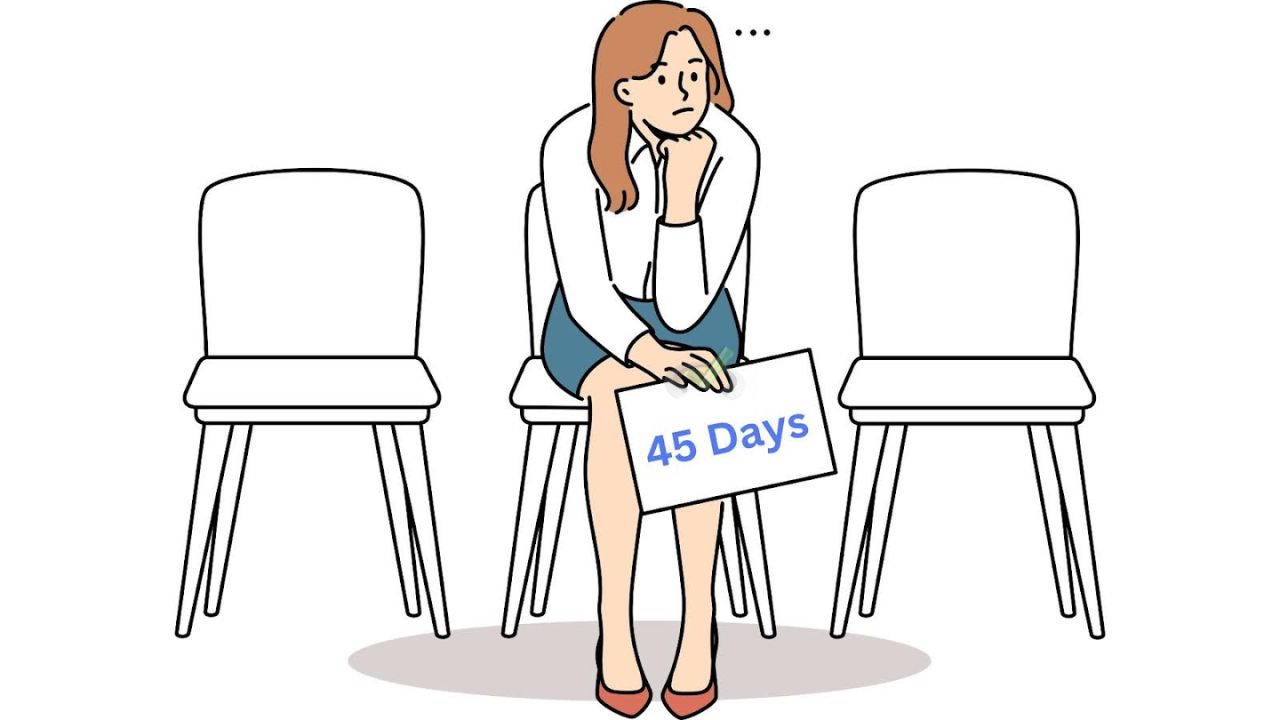
The first thing to know is that after you take the NCLEX and don’t pass, you must wait 45 days before you can attempt it again. This waiting period is designed to give you time to reflect on your previous attempt and prepare more effectively for your next. The 45 days are non-negotiable, so plan accordingly.
For example, let’s say you take the NCLEX in January and don’t pass. You’ll need to wait until at least mid-March before you can try again. Even if you’ve studied extensively and feel confident, the waiting period is enforced by the NCSBN (National Council of State Boards of Nursing) to ensure that you have sufficient time to review.
2. Maximum of Eight Attempts Per Year
You can take the NCLEX a maximum of eight times within a 12-month period. If you don’t pass after the first attempt, you can schedule a second attempt as soon as the 45-day waiting period is up. However, there’s a cap: after eight attempts within a 12-month period, you must wait until the next year to schedule your next test.
Once the year resets, you have another eight attempts. Keep in mind that the NCLEX is an important milestone, so passing as early as possible is crucial. While you can keep attempting, it’s important to make each attempt count.
If you fail several times, it’s wise to reconsider your study habits or even consider seeking additional resources to help improve your chances of passing.
3. State Regulations
The NCLEX regulations are set by the NCSBN, but the specific rules may vary slightly depending on the state in which you are applying for licensure. Some states may impose additional requirements if you fail the NCLEX multiple times, such as a need for extra documentation or a review program before reapplying.
To avoid any confusion, check with your state’s nursing board for specific rules related to retaking the NCLEX. It’s always best to be fully informed and follow state-specific procedures to ensure a smooth process.
What Happens If You Don’t Pass the NCLEX?
Failing the NCLEX -RN or NCLEX-PN can feel like a huge setback. It’s not just another exam—it’s your ticket to a nursing career. But remember, failing does not mean you’re unqualified or incapable. It just means you didn’t hit the right mark on that attempt. Let’s walk through what happens after a failure.
Emotional Impact
Failing the NCLEX isn’t easy. It can feel frustrating, disheartening, and stressful, especially after putting in so much effort. But it’s essential to take a step back, reflect, and recognize that failure is not a reflection of your worth as a nursing student or future nurse.
The first thing to do after a failure is to allow yourself to feel disappointed. It’s normal. But then, it’s time to refocus and start planning for the next attempt.
Failing doesn’t define you—it’s simply a bump in the road. Many successful nurses did not pass the NCLEX the first time, and they learned valuable lessons from each attempt.
Taking Responsibility and Adjusting Your Approach
Once the emotional weight starts to lift, it’s time to take responsibility for the areas where you fell short. Look at your NCLEX score report to identify which areas were problematic. If you struggled with clinical decision-making, pharmacology, or infection control, make sure you focus on those areas in your next round of studying.
You can use the 45-day waiting period to adjust your study habits and test-taking strategies so you can pass on your next attempt. If you didn’t do well with time management or pacing, practice timed tests so that you can improve your ability to answer questions efficiently under pressure.Seek Support
It’s also helpful to reach out for support. Don’t hesitate to contact a tutor, join a study group, or even consult with a mentor who has gone through the process before. There’s no shame in asking for help, and many nursing programs offer review courses or additional resources to guide you as you prepare for your retake.

How to Prepare for a Retake
Failing the NCLEX doesn’t have to be the end of your journey. If anything, it’s an opportunity to refine your skills and come back stronger. Here’s how to prepare for the next attempt:
Develop a Focused Study Plan
A targeted study plan is essential when you're preparing to retake the NCLEX. Reflect on your previous attempt and analyze where you struggled the most.
Were there particular areas of nursing that threw you off? If so, focus your study efforts on those topics. Here’s how to create a plan that works for you:
Taking a methodical approach to studying, focusing on weak spots, and reinforcing your knowledge with practice questions can make a big difference in your second attempt. Also, for even more help with your study sessions, check out our NCLEX Cheatsheets.
These cheatsheets provide quick, easy-to-review key facts that will give you a boost during your study sessions. Download them today and streamline your NCLEX preparation!
Use Active Learning Techniques
When studying for the NCLEX, passive reading or watching videos won’t cut it. You need to engage actively with the material. Active learning is a proven method to retain more information. Here are a few strategies to incorporate:
If you're gearing up for your NCLEX retake or need more tips on preparing for the exam, you’ve got to subscribe to our NCLEX Daily Dose emails. Every day, you’ll get a new tip, a question of the day, and expert strategies that will help you feel confident and prepared.
Don’t miss out on this essential resource—subscribe today and give yourself the edge you need to pass the NCLEX.
Incorporate Stress-Relief Strategies
When preparing for the NCLEX, stress is inevitable. The pressure to pass can sometimes be paralyzing, but if you don’t manage stress effectively, it can hinder your ability to focus and retain information. Here are some strategies to reduce stress:
Build Confidence Through Small Wins
It’s easy to feel overwhelmed after a failed attempt at the NCLEX. However, boosting your confidence is crucial. To do this:
What Happens After You Pass the NCLEX?
Once you pass the NCLEX, it’s time to celebrate! You’ve achieved something monumental. You’re officially a licensed nurse, ready to enter the workforce and start making a difference in people’s lives. The journey doesn’t stop here, though.
Your next steps may include applying for jobs, completing continuing education, or pursuing a specialization. You’ll also want to keep your skills sharp and stay updated on the latest nursing practices. The NCLEX is just one part of your nursing career, and the learning never ends.
Final Thoughts on How Many Times Can You Take the NCLEX in a Year?
To wrap it up, you can take the NCLEX up to eight times in a year with a mandatory 45-day waiting period between attempts. While it’s certainly preferable to pass on your first try, don’t get discouraged if you don’t.
You have options and plenty of time to prepare for the next attempt. Focus on improving your study strategies, practicing with NCLEX-style questions, and taking care of your mental health. Whether you’re preparing for the NCLEX-RN or the NCLEX-PN, stay positive, stay persistent, and you’ll pass with flying colors. You've got this!