
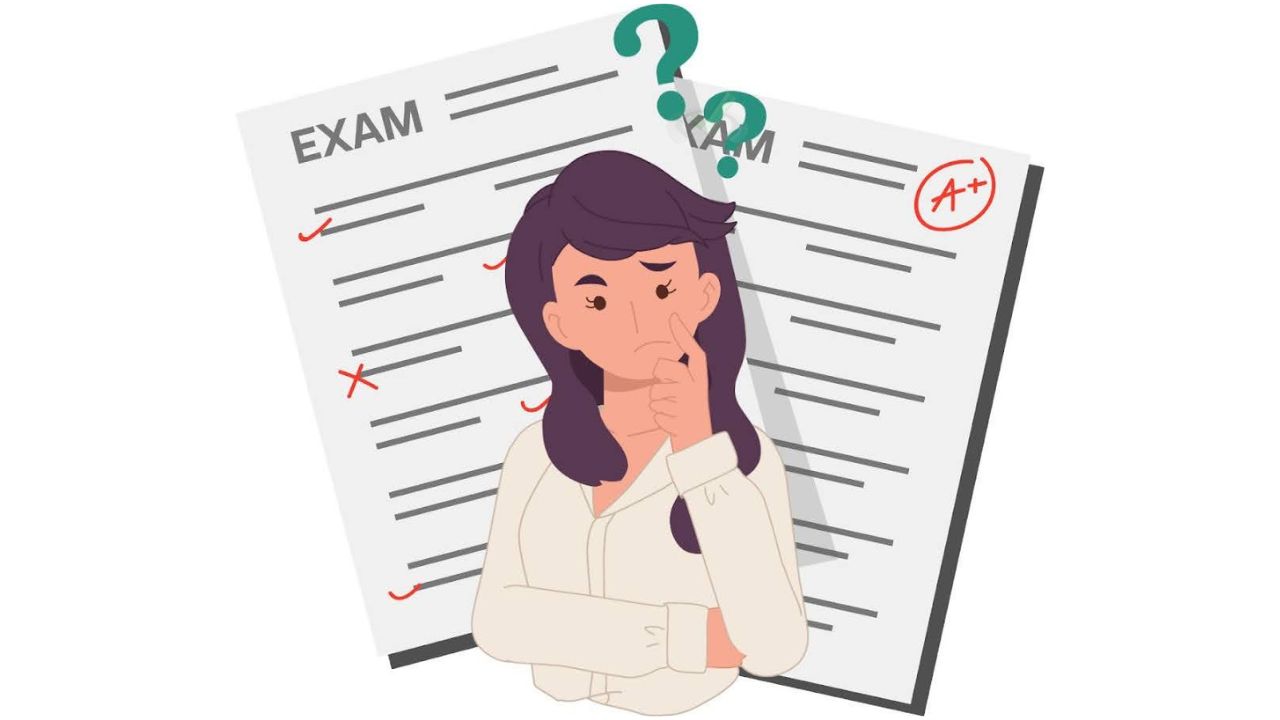
So, you're about to face the NCLEX-PN, a key exam for becoming a licensed practical nurse (LPN). One question that is probably racing through your mind is: How many questions are on the NCLEX PN exam? It's a valid question, and one that can help you prepare mentally and practically for what lies ahead.
The answer to this question isn’t as straightforward as you might think, but don’t worry—we’re about to break it down for you in a way that’s easy to understand and incredibly useful for your preparation. The NCLEX-PN exam is designed to assess whether you are ready to provide safe and effective nursing care to your future patients.
It’s a big step, and understanding the number of questions you’ll face is just one piece of the puzzle. But as with everything in nursing, preparation is key—and knowing how the exam works will help you face it with confidence.
What Is the NCLEX-PN Exam?
Before diving into the details of the number of questions, let's take a moment to understand the NCLEX-PN exam itself. If you're working toward becoming an LPN, passing the NCLEX-PN is a necessary step to obtain licensure. But this isn't just any exam; it’s a computerized adaptive test (CAT).
This means that the number of questions and their difficulty will adjust based on how well you’re doing throughout the exam. Instead of following a set number of questions, the test adapts based on your responses, making it a unique experience for every test-taker.
But that’s where the challenge lies: how many questions will you face, and what should you expect as you navigate through the exam?
The NCLEX-PN isn’t about memorizing facts; it’s about critical thinking and decision-making in real-time scenarios. It’s designed to test your ability to safely care for patients, ensuring you meet the competency needed to practice as a licensed practical nurse.
How Many Questions Are on the NCLEX PN Exam?
The question that everyone seems to ask is: How many questions are on the NCLEX PN exam? Here’s the thing: it depends. The NCLEX-PN exam starts with a minimum of 85 questions, and if you perform well, it could stop there. But, if the exam needs more data to assess your competency, it could extend to the maximum of 205 questions.
Here’s the breakdown:
So, there isn’t a set number of questions; it depends entirely on your performance.
How the NCLEX-PN Exam Adapts to Your Answers
What makes the NCLEX-PN unique is its ability to adapt to your answers. The test isn’t static—each question you answer provides more data for the system to determine whether you're ready for licensure.
Let’s say you answer a question correctly. In that case, the next question might be more challenging, testing a deeper level of knowledge and critical thinking. On the other hand, if you answer incorrectly, the next question may be easier, which allows the system to adjust and continue evaluating your skill set.
This adaptive format has one primary goal: to assess your ability to make sound clinical decisions. It's not about how many questions you can answer but whether you can correctly apply your nursing knowledge to real-life scenarios.
This adaptive system ensures the NCLEX-PN is personalized to each test-taker, providing an accurate reflection of your readiness to practice as an LPN.
If the system determines that it has enough information to assess your skills, the exam stops. If you perform well early on, it may stop after just a few questions. However, if the system needs more information, it could ask you all 205 questions to gather enough data.
What Determines How Many Questions You Get on the NCLEX-PN?
The number of questions you get during the NCLEX-PN exam depends on how well you perform. Several factors influence this:
1. Your Performance on the Questions
The most significant factor in determining how many questions you’ll answer is your performance. The more questions you get correct, the fewer you may have to answer. If you're consistently showing that you can think critically and solve problems, the exam will likely stop early, usually around the 85-question mark.
But if you're not answering enough questions correctly, the system will continue to ask questions to gauge your competency.
Remember, this system is designed to test your nursing knowledge, so don’t be discouraged if the exam continues past 85 questions—it just means the system needs more data to determine if you’ve met the required competency level.
2. The Computer’s Confidence Level
Another critical factor is the computer’s confidence in its assessment. The NCLEX-PN exam stops once the system is confident in its decision about your competency. It doesn’t matter how many questions you answer; what matters is how the system evaluates your ability to meet the standards for safe nursing practice.
If the system feels confident after 85 questions, you may pass and be done. But if it needs more data, it will continue asking more questions until it has a high confidence level in its assessment of you.

3. Time Constraints
The NCLEX-PN is timed. You have up to five hours to complete the exam, which includes a 15-minute break in the middle. However, your pace doesn’t directly affect the number of questions you will face.
Whether you answer 85 questions or 205, you’ll have to manage your time wisely to ensure you complete the exam within the time frame. It’s important to keep track of your pace.
If you’re taking too long on a question, it could eat up your time and lead to unnecessary stress. Try to stay calm and focused, and don’t dwell too long on any one question.
What Topics Are Covered on the NCLEX-PN?
The NCLEX-PN exam tests a variety of topics related to nursing knowledge. To ensure you're well-prepared, it’s essential to know what areas you’ll be tested on. The NCLEX-PN includes questions from four major content areas:
1. Safe and Effective Care Environment
2. Health Promotion and Maintenance
3. Psychosocial Integrity
4. Physiological Integrity
How to Prepare for the NCLEX-PN Exam
Understanding the structure of the NCLEX-PN and the content areas covered is a great start, but now it’s time to discuss strategies to help you pass this exam with confidence. Here are some tips to help you prepare for the NCLEX-PN exam:
1. Take Practice Exams
One of the best ways to prepare is by taking practice exams that simulate the real NCLEX-PN. This will help you get used to the format of the questions and understand how the adaptive system works. It will also give you an idea of what topics you need to focus on.
Practice exams help familiarize you with the content areas and test your knowledge under timed conditions. They’ll also help you work on pacing, so you can answer each question thoughtfully while keeping track of the clock.2. Focus on Your Weak Areas
As you practice, pay attention to the areas where you struggle. Focus your study sessions on those topics and make sure you’re comfortable with them before the exam day. Whether it's pharmacology, patient safety, or a specific nursing intervention, don’t neglect these areas.
3. Understand Time Management
The NCLEX-PN is timed, so it’s important to manage your time effectively. You’ll have five hours to complete the test, but you need to pace yourself. Don’t spend too much time on any one question—if you’re unsure, move on and come back to it later. Use your break time wisely to refresh your mind.
4. Stay Calm and Confident
The NCLEX-PN exam is designed to test your competency, not your speed or how much you know. Stay calm, trust your knowledge, and pace yourself. You've studied hard to get to this point—now it's time to prove that you're ready to be an LPN.
Final Thoughts on How Many Questions Are on the NCLEX-PN
The number of questions you face on the NCLEX-PN depends on your performance during the exam. It could be as few as 85 questions or as many as 205. The key takeaway is that the NCLEX-PN adapts to your answers, and its goal is to assess your ability to provide safe and effective care.
If you perform well early on, the exam will stop quickly, but if the system needs more information to assess your competency, it will ask more questions. Ultimately, the test is about you demonstrating your readiness to practice nursing. So focus on your preparation, stay calm, and remember—you’ve got this!