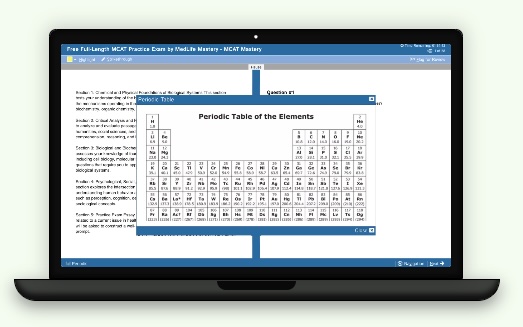
MCAT studying during school? We're here to help one-on-one if you're overwhelmed.
More than half of the students taking the MCAT don’t hit their target score. That’s right, the average score hangs around 500, but most med schools are eyeing something higher—like 510-515. So, if you’re feeling the pressure to perform while also keeping up with school, don’t sweat it. You’re not alone.
Studying for the MCAT while managing college classes sounds like a recipe for stress, but here’s the good news: you can totally pull it off. It’s all about strategy, consistency, and using your time wisely. Let’s break it down step by step so you can crush this exam without sacrificing your grades (or your sanity).1. The Power of Hour-by-Hour Scheduling (and Why To-Do Lists Won’t Cut It)
To-do lists? Yeah, those are cute, but when you’re trying to balance school and MCAT prep, they don’t really cut it. Writing “Study for MCAT” on a list might look good, but it’s pretty useless without specifics.
How long are you studying? What exactly are you studying? When are you going to do it? That’s where an hour-by-hour schedule becomes your best friend.
You’ve got 24 hours in a day, and you’re already packing it full of classes, homework, and probably some much-needed Netflix time. So, instead of making vague plans to “get some studying done,” get specific.
How to Create a Game-Changing Hour-by-Hour Schedule
Breaking your day down hour by hour lets you see where your time actually goes. And guess what?
You’ll probably find more study time than you thought possible. You’ll feel in control, and that’s a game-changer.
2. Two Hours a Day Is Enough—If You’re Consistent
I know what you’re thinking—two hours? That’s it? But here’s the thing: two hours a day is more than enough if you’re consistent. The key word here is consistent.
You don’t need to pull all-nighters or sacrifice every weekend to get a good MCAT score. Just chip away at it every day, and by the time the test rolls around, you’ll have built a solid foundation.Where Can You Find These Magical Two Hours?
You might not think you have two hours to spare, but trust me, you do. Here’s where you can sneak them in:
These two-hour study sessions add up quickly. By the time finals roll around, you won’t be cramming or stressing out. You’ll be feeling ready, and that’s the goal.

3. The Pomodoro Technique: Your Secret to Staying Focused (Yes, It Works)
If you’re finding it hard to focus during your study sessions, welcome to the club. Enter the Pomodoro Technique—it’s a fancy name for a simple idea: work in focused bursts, then take a break. This technique is perfect for MCAT studying because it helps you stay on task without feeling drained.
Here’s how it works: study for 25 minutes, take a 5-minute break. That’s it. After four rounds of this, take a longer break—15 to 30 minutes. Easy, right?
Why Pomodoro Is Perfect for MCAT Prep
Pomodoro keeps you in the zone. It’s all about working smart, not just hard. Plus, you’ll actually feel good about taking those breaks instead of feeling guilty about them.
4. How to Find Time for MCAT Prep Without Skipping Class or Losing Sleep
Finding time to study for the MCAT while keeping up with classes might feel like trying to fit an extra suitcase into an already jam-packed trunk.
But it can be done—you just need to get creative about where you find that time. You don’t need huge blocks of study time to make progress. It’s all about working smarter, not longer.
Tips to Maximize Your Study Time Without Overloading Your Schedule
It’s all about balance. Don’t skip class or pull an all-nighter just to cram in more MCAT studying. You’ve got time—it’s just a matter of finding it and using it well.

5. Remember Your “Why”: Stay Motivated with a Goal in Mind
Let’s be real. Studying for the MCAT can feel like a never-ending grind, especially when you’re also trying to stay on top of school. This is where having a strong “why” comes in handy. Why do you want to crush this exam?
Why are you studying medicine in the first place? Keep those reasons front and center, and you’ll have an easier time pushing through when things get tough.
How to Use Your “Why” as a Motivation Boost
Staying motivated is key to staying consistent. It’s what separates those who succeed from those who give up when things get hard.
6. Active Learning: Flashcards, Practice Questions, and Mock Tests (Don’t Just Read, Engage!)
Let’s talk about how you’re studying. If your plan is to just read through your MCAT books and hope the info sticks,
I’ve got bad news for you. That’s not going to cut it. You need to engage with the material, not just passively absorb it.What Are the Best Active Learning Strategies?
Active learning keeps your brain engaged. You’ll retain more, learn faster, and be way more prepared come test day.
7. Don’t Forget the Breaks: Mental Health Matters Too
We get it. The pressure’s on, and you’re working hard to juggle MCAT prep with school. But here’s the deal—burnout is real, and if you don’t take care of yourself, it’s going to hit you hard. That’s why taking breaks and looking after your mental health is just as important as sticking to your study schedule.
How to Manage Stress While Studying for the MCAT
Taking care of your mental health isn’t optional—it’s a must. The better you feel, the better you’ll study, and the better you’ll perform on test day.

Balancing School and MCAT Prep for Success
Balancing school with MCAT prep doesn’t have to be a nightmare. With a solid schedule, some active learning strategies, and a little self-care, you can crush this.
Focus on consistency, keep your motivation high, and take care of yourself along the way. You’re on the path to success, and you’re closer than you think.
If you're looking for a little extra help, why not check out some strategic support? From strategic MCAT planning to the complete MCAT strategy course, exam day mastery, or even signing up on a newsletters filled with tips and strategies – there’s a resource to fit every need!
Now, go out there and make it happen!

 To help you achieve your goal MCAT score, we take turns hosting these