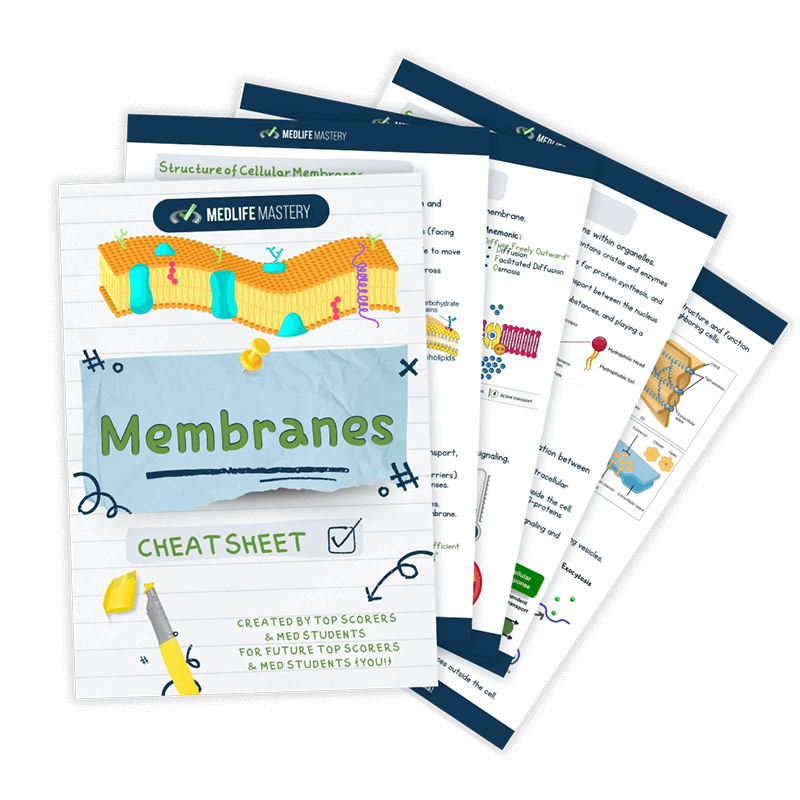
Membranes
Phospholipid bilayer and fluid mosaic model, membrane proteins, fluidity, passive and active transport, cell signaling, and endocytosis.

Free MCAT resources Cheat sheets
Content review gets heavy fast, so we put each topic on a few printable pages you can keep beside you while you study.
68 review sheets across biochem, biology, gen chem, orgo, physics and psych/soc, made by our mentors (90+ percentile MCAT scorers and current med students).
One free account opens all 68 sheets :)
Phospholipid bilayer and fluid mosaic model, membrane proteins, fluidity, passive and active transport, cell signaling, and endocytosis.
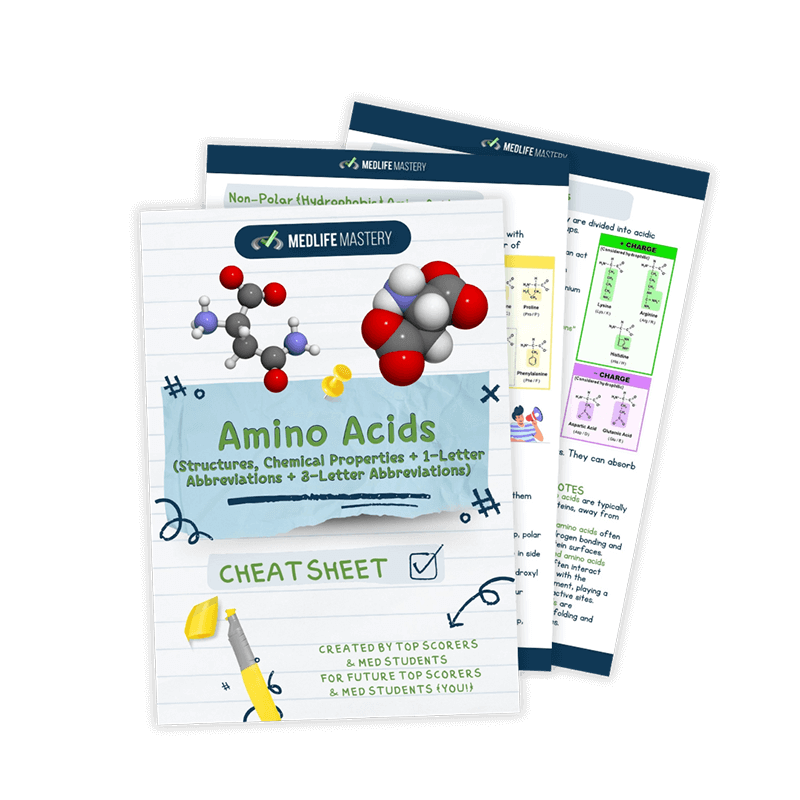
Amino acids grouped as nonpolar, polar, acidic, basic and aromatic, with side-chain features and one-letter and three-letter codes.
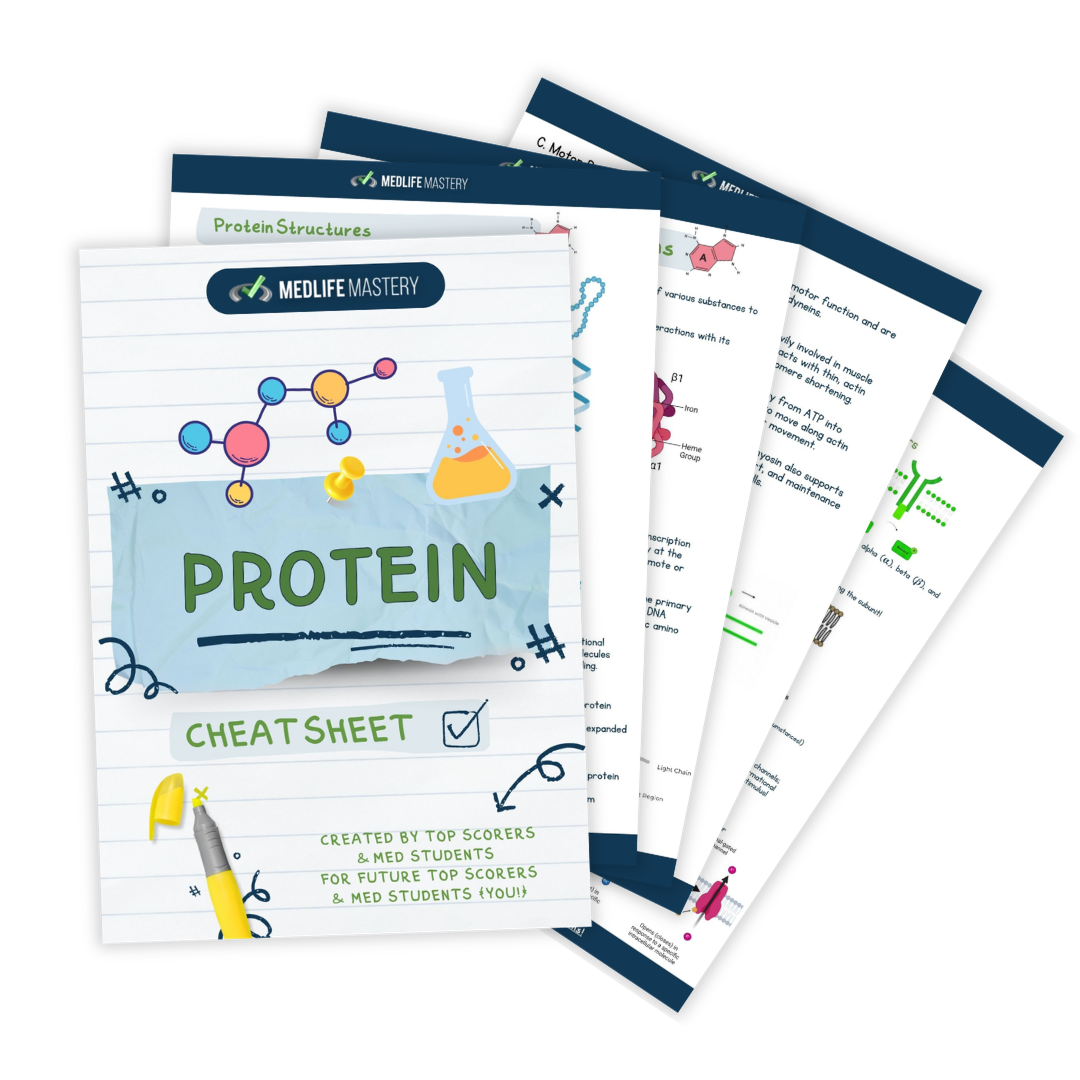
Four levels of protein structure, folding stability, binding and immune proteins, motor proteins, receptors, and ion channels.
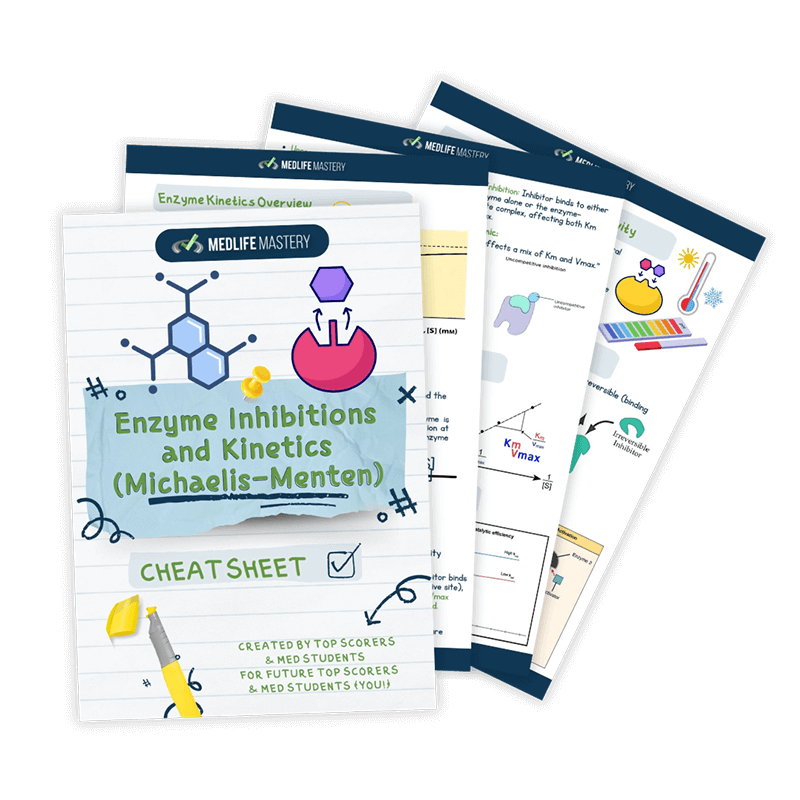
Michaelis-Menten equation, Vmax and Km, Lineweaver-Burk plots, competitive, noncompetitive, uncompetitive and mixed inhibition, kcat, and allosteric regulation.
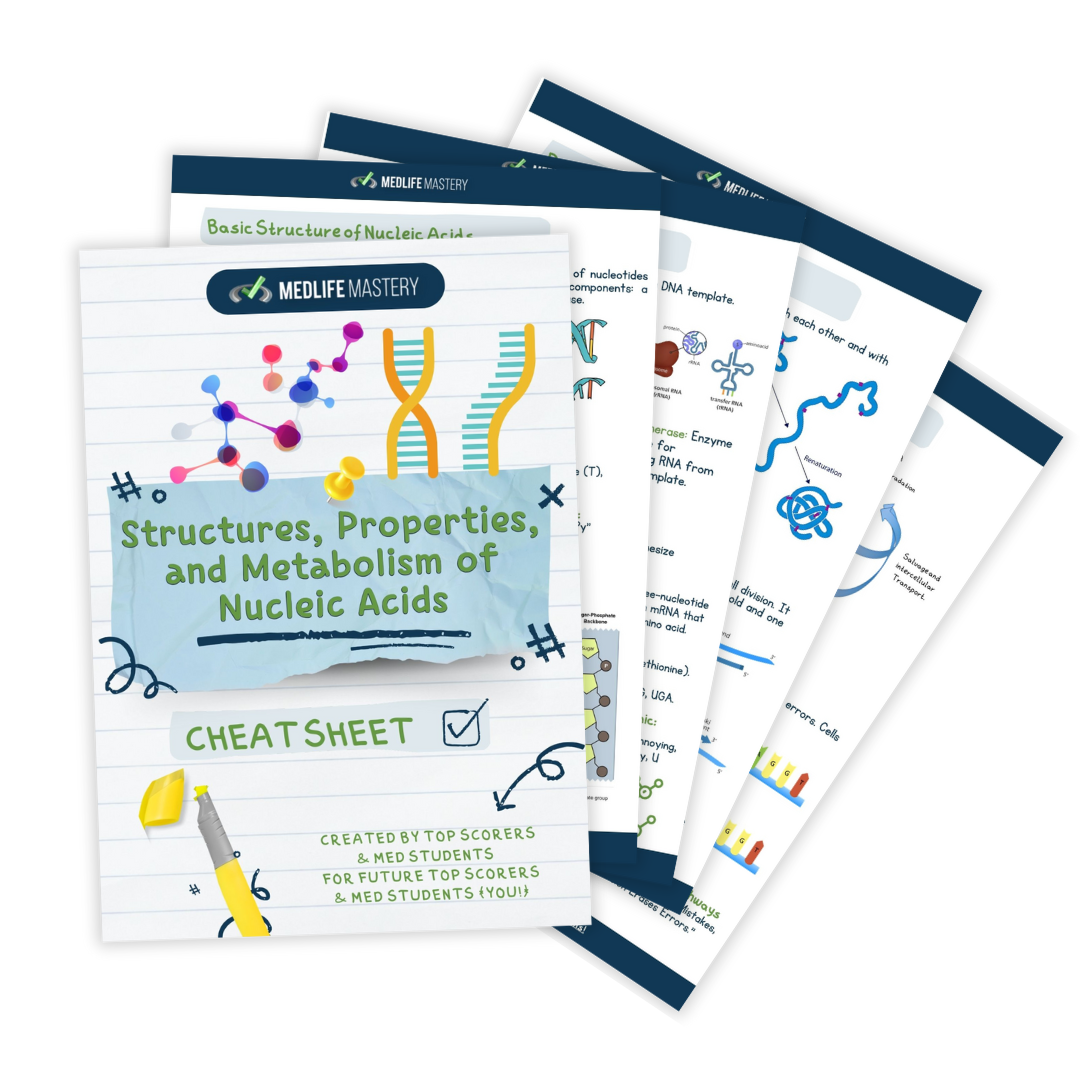
DNA versus RNA, base pairing, melting temperature, replication, transcription, translation, mutations, DNA repair, and nucleotide metabolism.
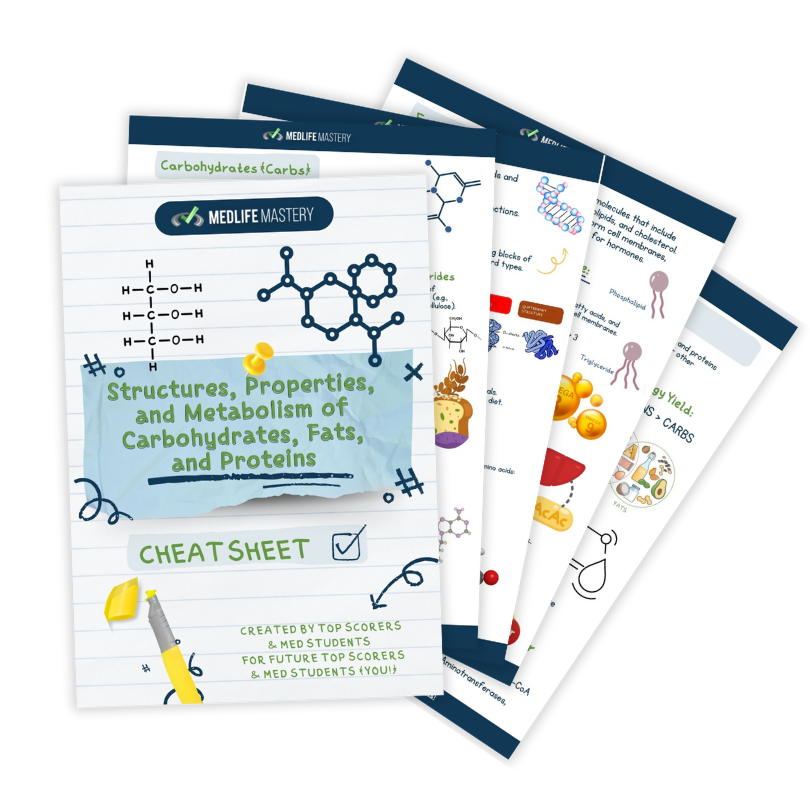
Carbohydrate, fat and protein structures, glycolysis, glycogen metabolism, beta-oxidation, ketogenesis, the urea cycle, and how these pathways connect.
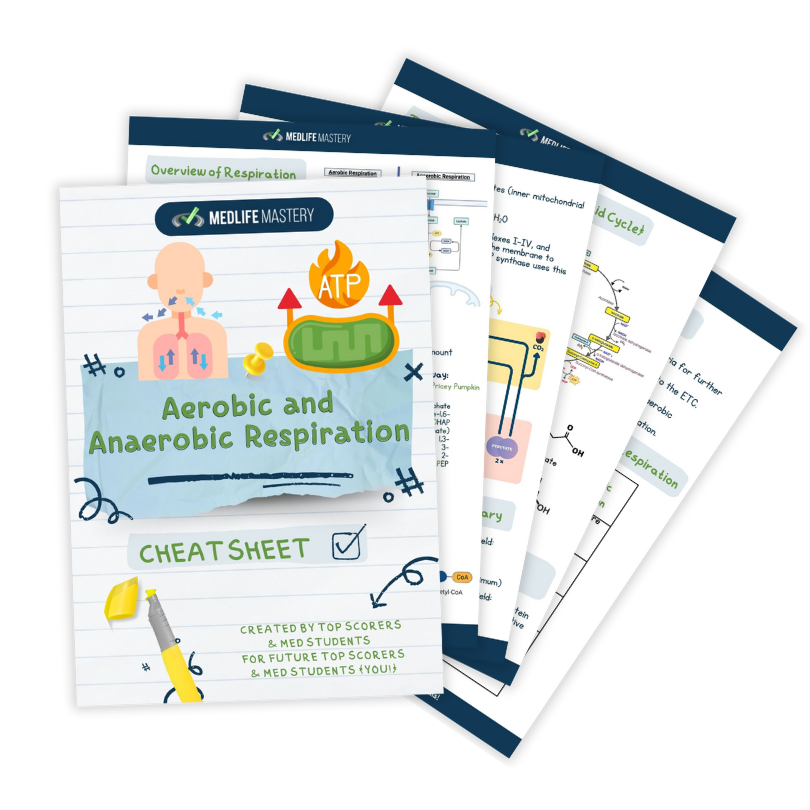
Glycolysis, pyruvate oxidation, the TCA cycle, the electron transport chain, ATP yield, and lactic acid and alcoholic fermentation.

Reducing and non-reducing SDS-PAGE, PCR, Southern, Northern and Western blots, cation and anion exchange, and ligand affinity chromatography.
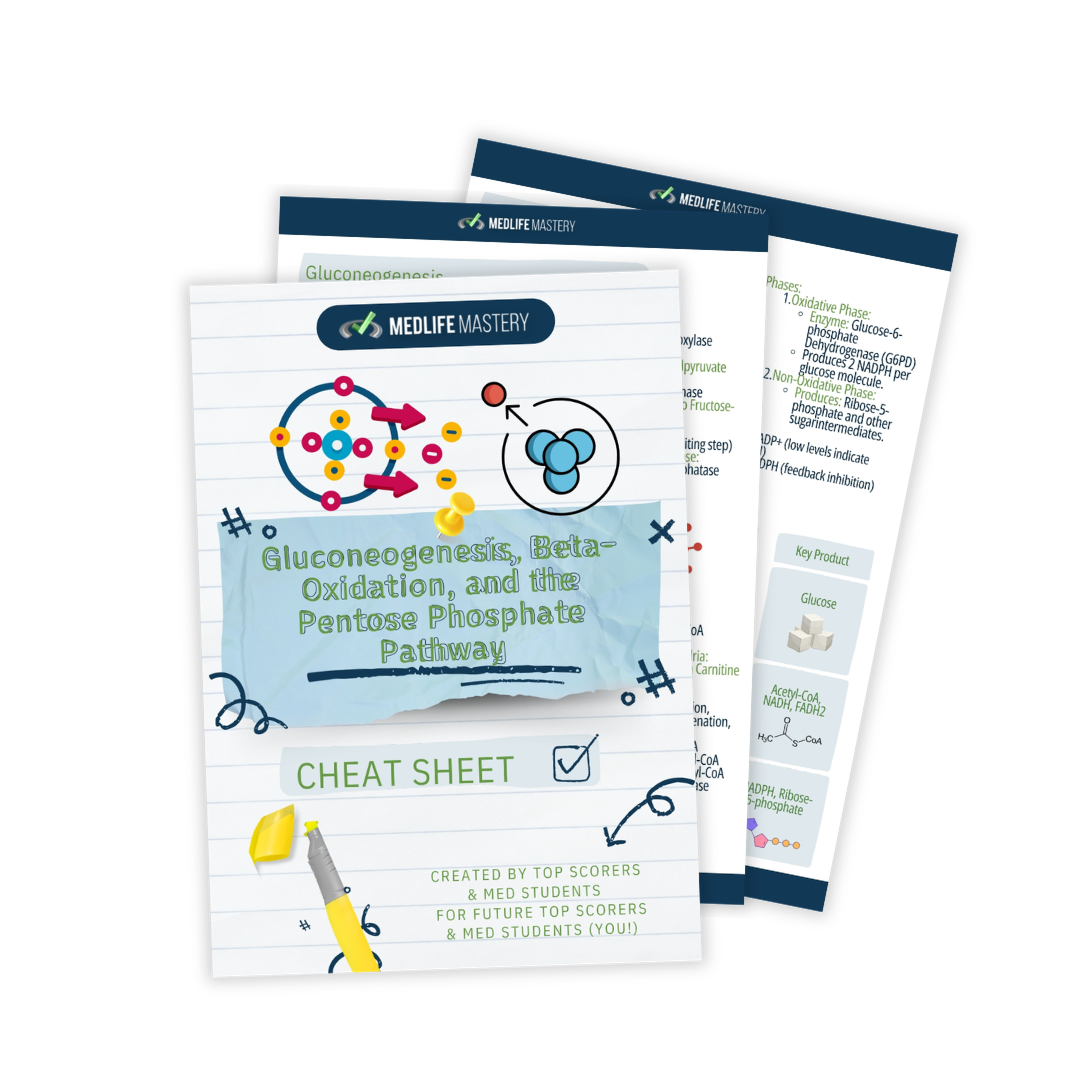
Gluconeogenesis, beta-oxidation of fatty acids, and the pentose phosphate pathway, with their enzymes, regulation, and a side-by-side comparison.
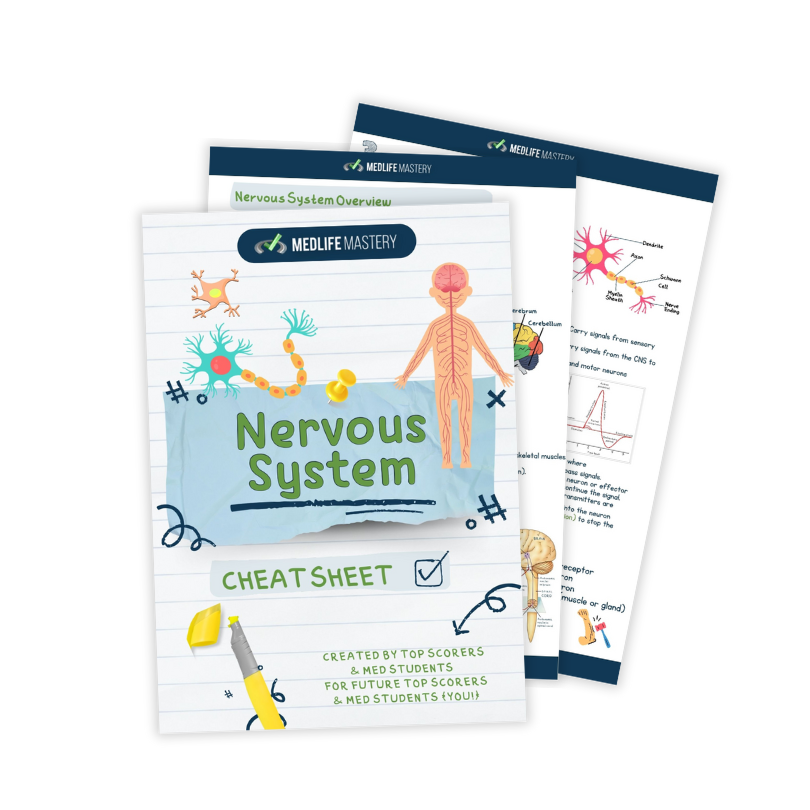
CNS and PNS divisions, brain regions, sympathetic versus parasympathetic effects, neurons, action potentials, synapses, and the reflex arc.
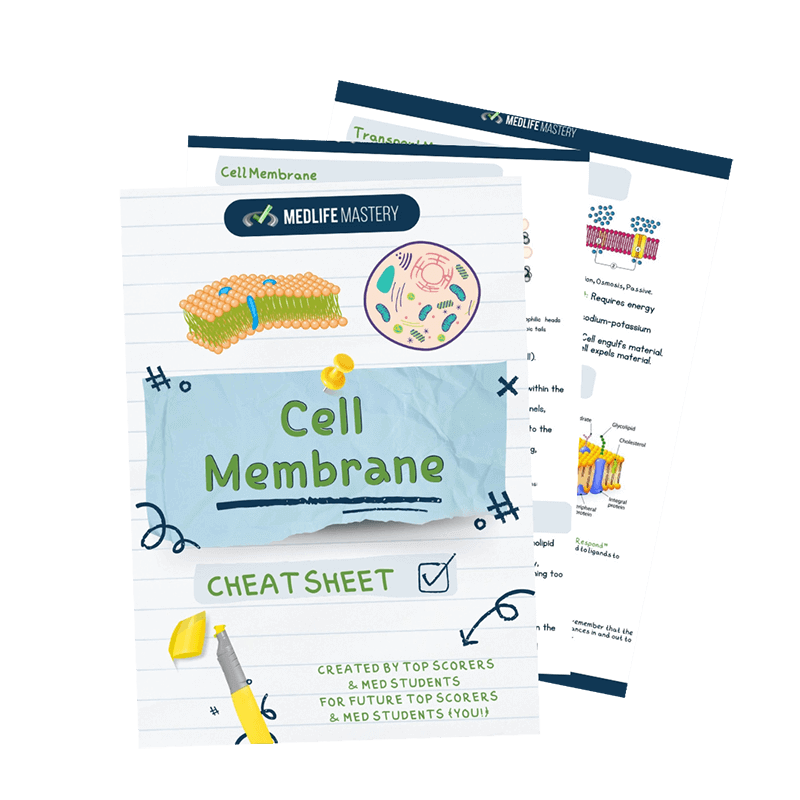
Phospholipid bilayer, integral and peripheral proteins, cholesterol, membrane carbohydrates, fluid mosaic model, transport types, receptors, and selective permeability.
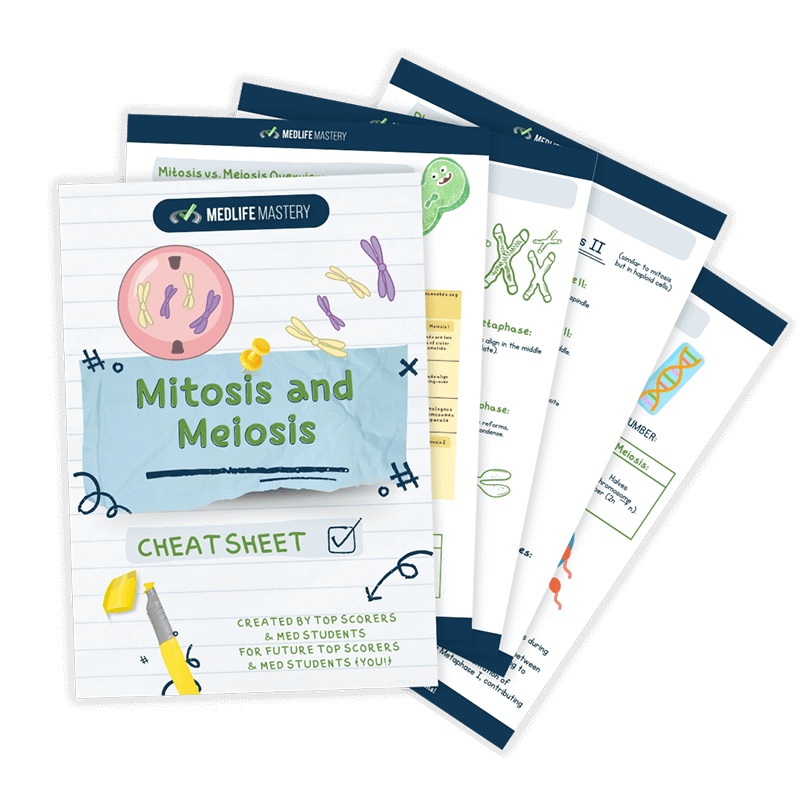
Mitosis versus meiosis, phases of each division, crossing over, independent assortment, ploidy changes, and genetic variation.
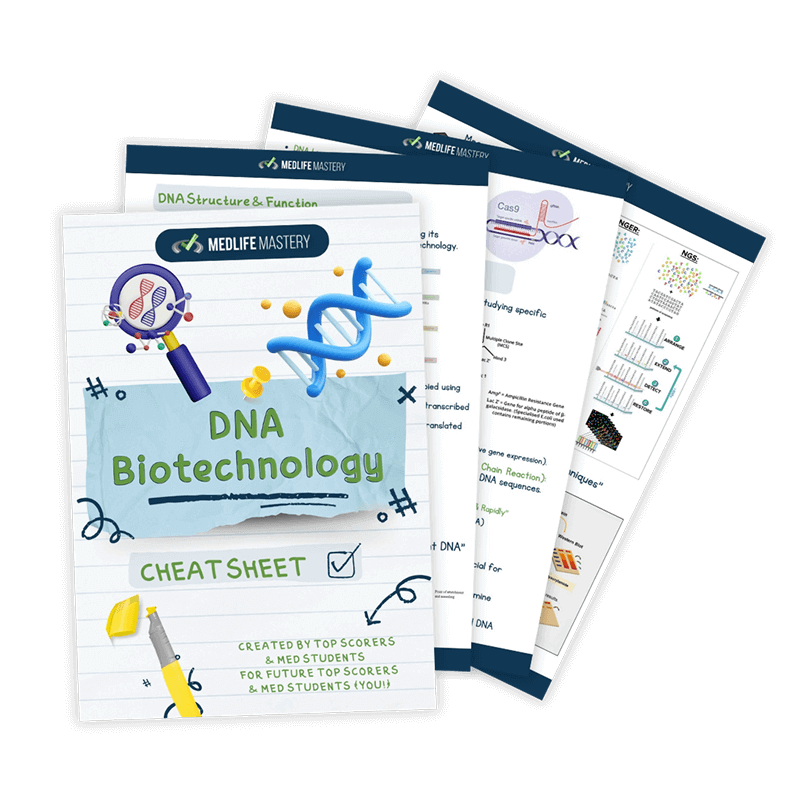
Recombinant DNA, plasmids, restriction enzymes, cloning, expression vectors, PCR, CRISPR-Cas9, Sanger and next-generation sequencing, and blotting techniques.
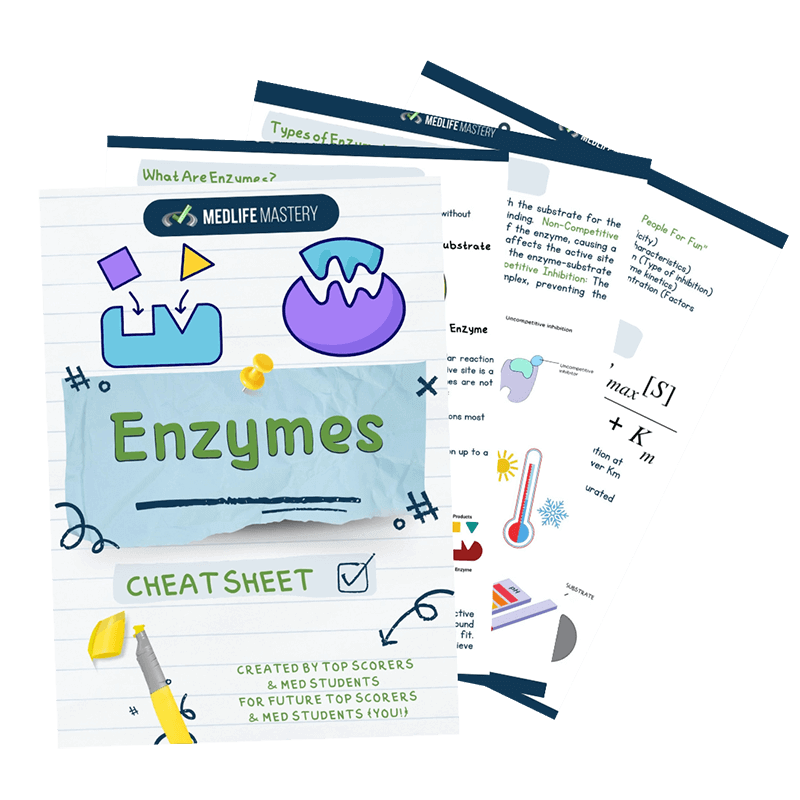
Active site, substrate specificity, induced fit, inhibition types, temperature and pH effects, cofactors, coenzymes, Km, and Vmax.
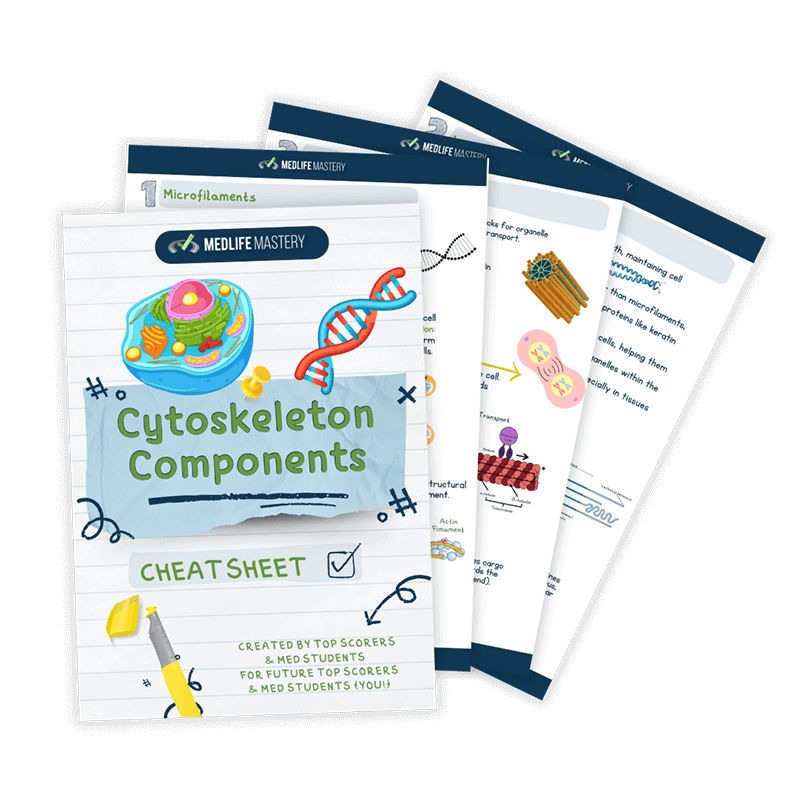
Microfilaments, intermediate filaments, and microtubules, with actin, myosin, keratin, vimentin, desmin, lamin, tubulin, kinesin, and dynein.
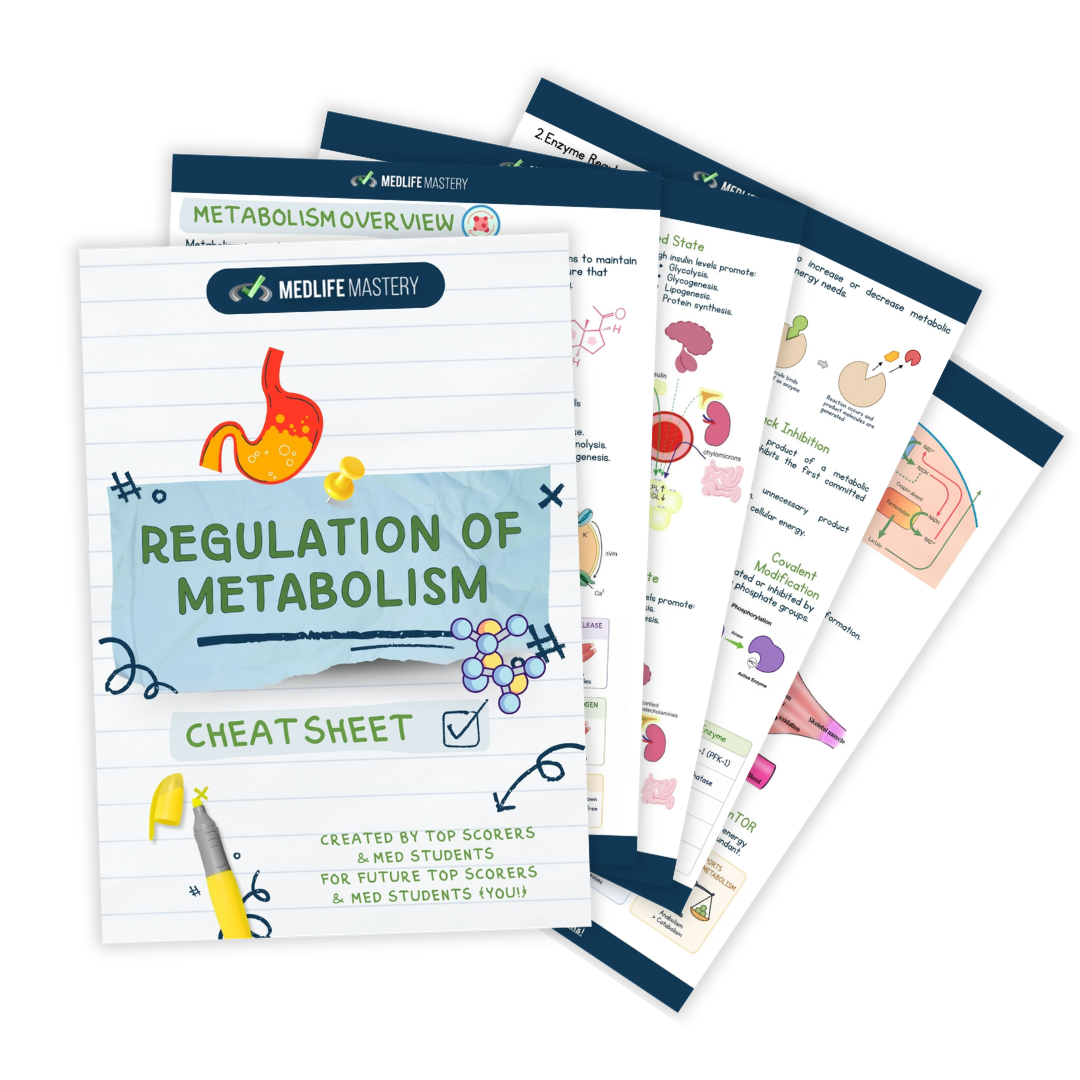
Hormonal effects of insulin, glucagon, epinephrine, cortisol and growth hormone, fed versus fasting states, enzyme regulation, and AMPK.
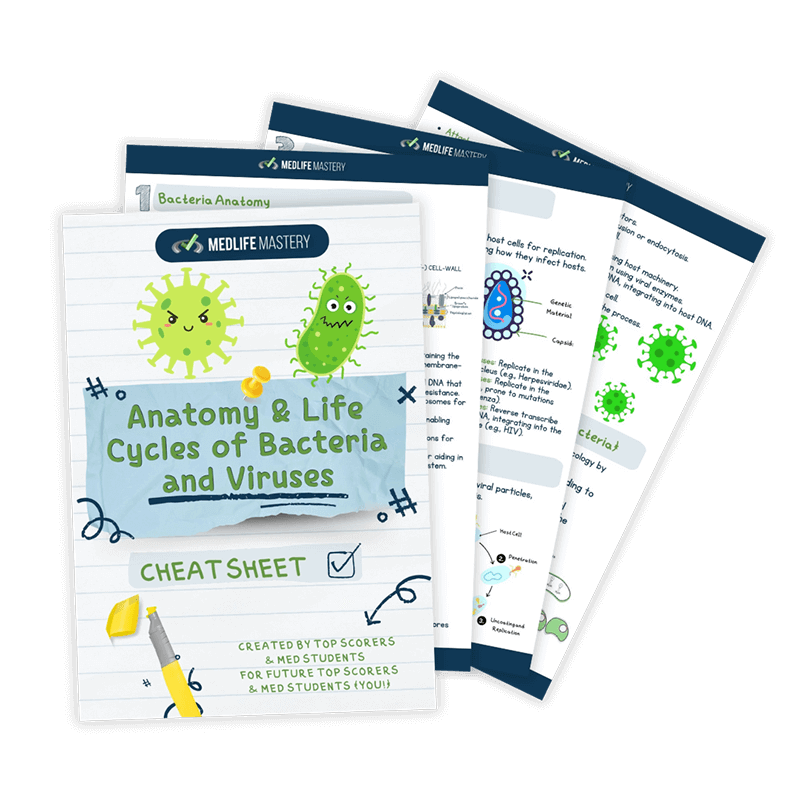
Gram-positive and gram-negative walls, bacterial anatomy, growth phases, virus types, viral life cycle, and lytic versus lysogenic cycles.
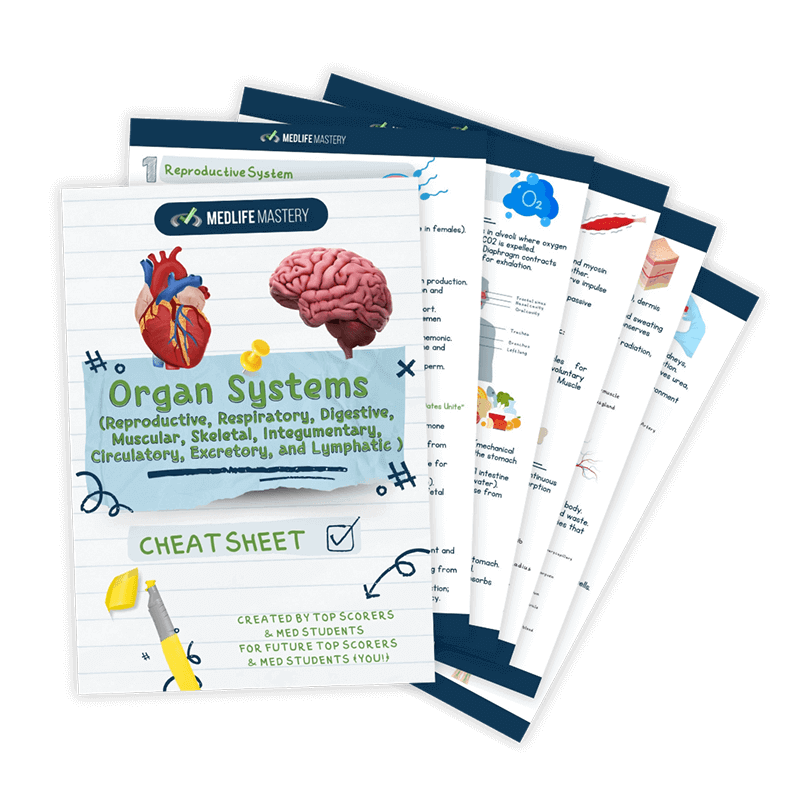
Reproductive, respiratory, digestive, muscular, skeletal, integumentary, circulatory, excretory and lymphatic systems, with structures, functions and mnemonics.

DNA replication enzymes, transcription steps, RNA types, codons and the genetic code, and translation steps.
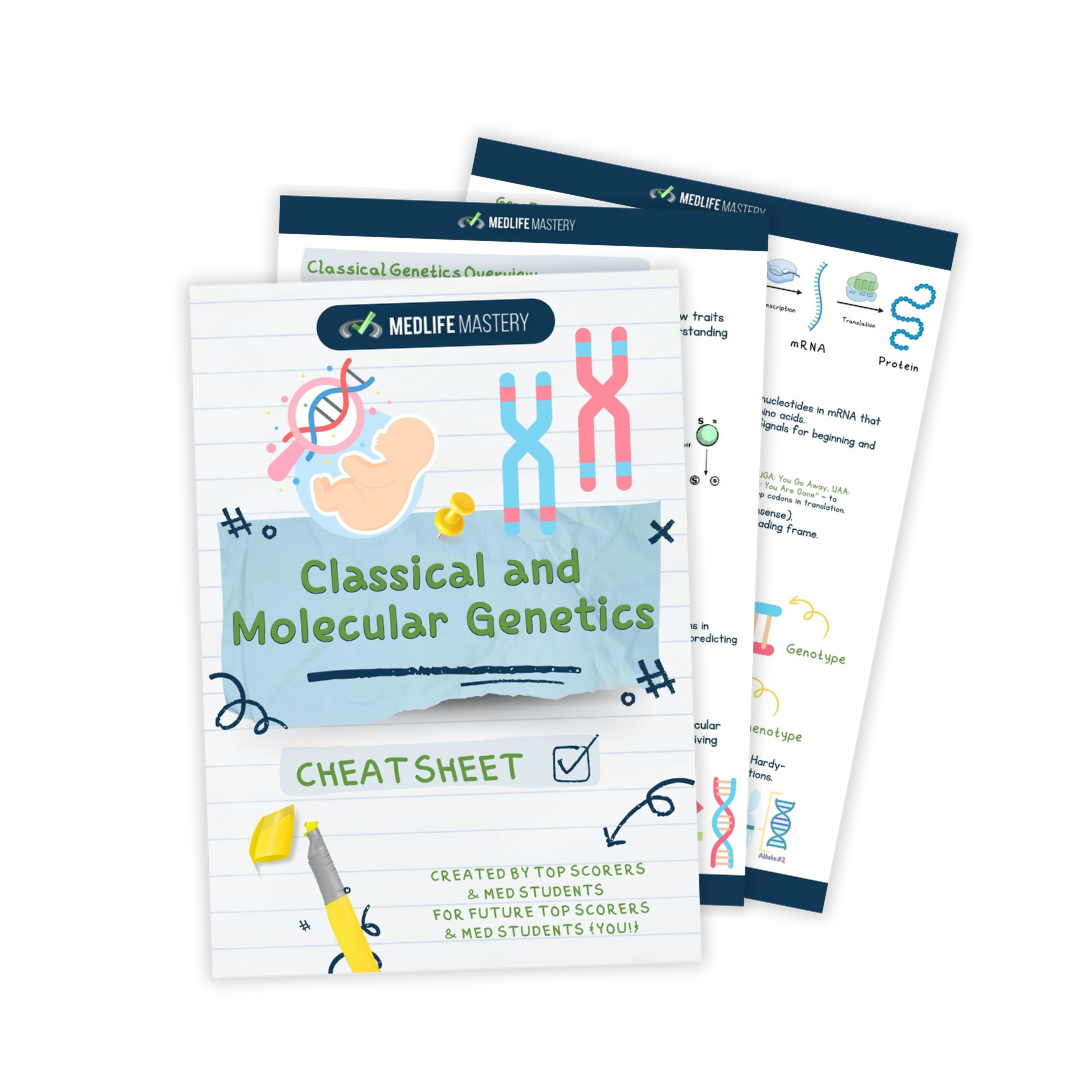
Mendel's laws, dominant and recessive alleles, Punnett squares, pedigrees, DNA structure, mutations, genetic code, and Hardy-Weinberg equilibrium.
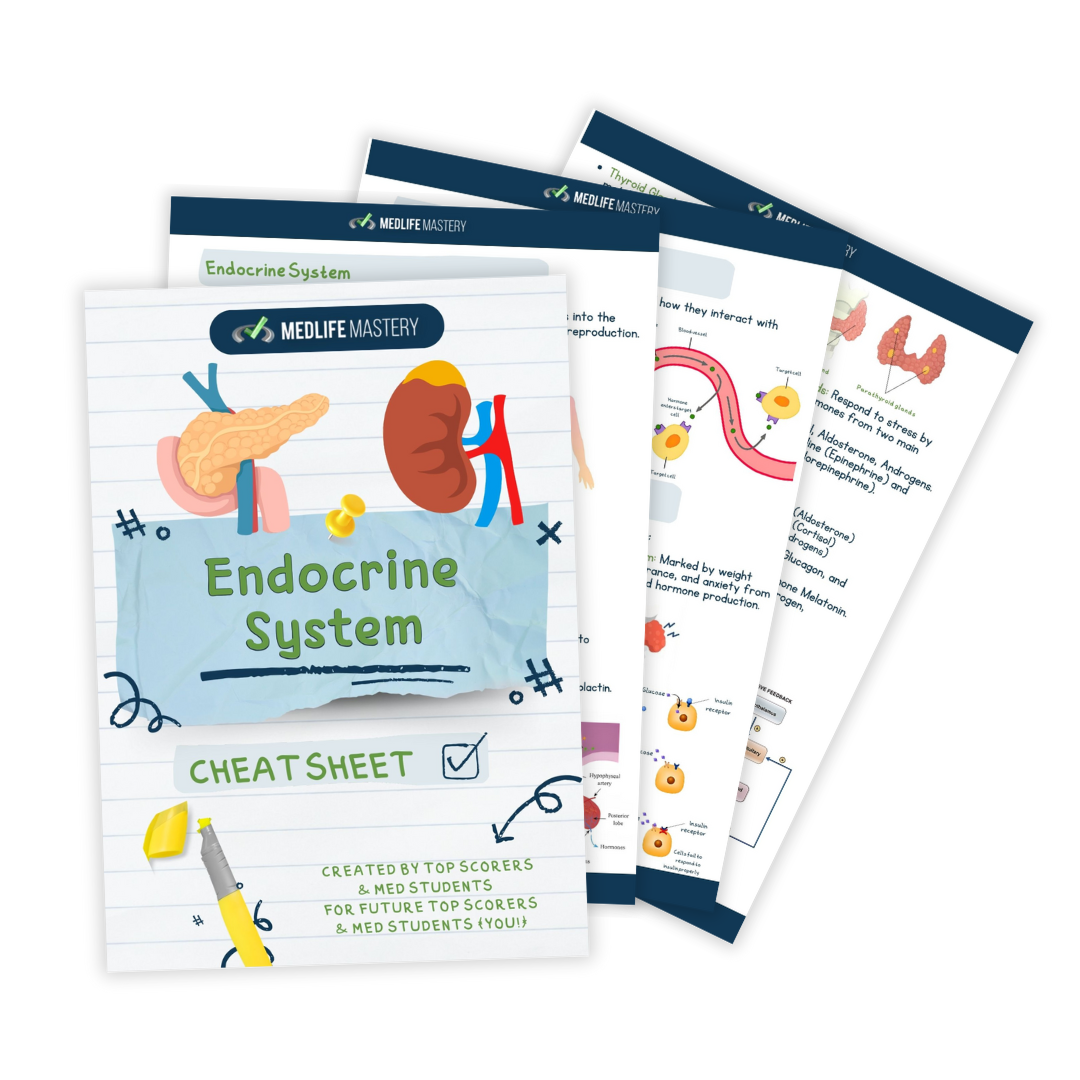
Pituitary, adrenal, thyroid, parathyroid, pancreatic, pineal and gonadal hormones, feedback loops, peptide versus steroid hormones, and common disorders.
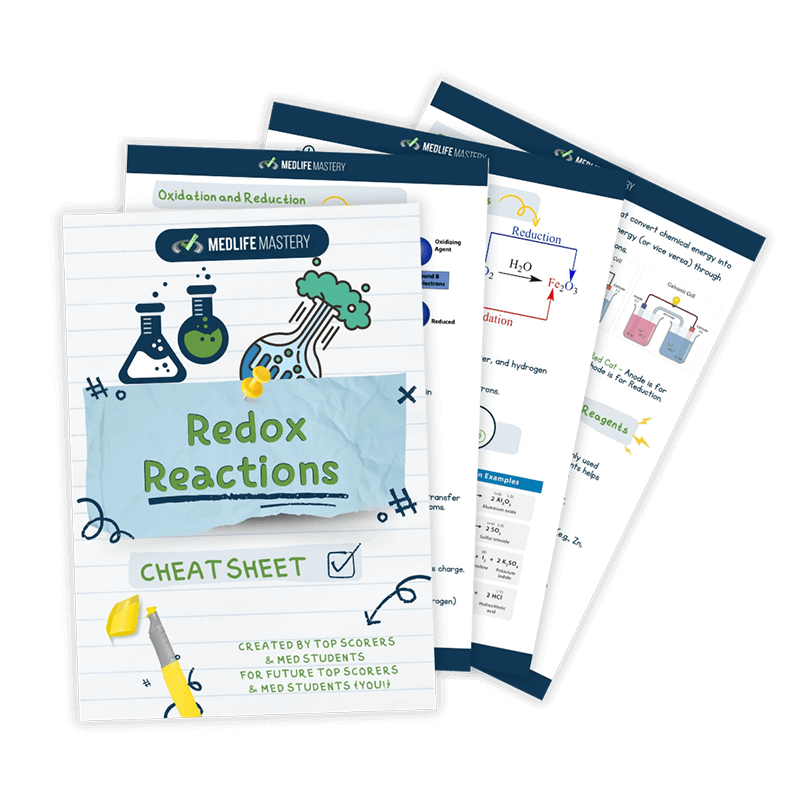
Oxidation and reduction, oxidizing and reducing agents, oxidation numbers, half-reaction balancing, reaction types, and galvanic versus electrolytic cells.
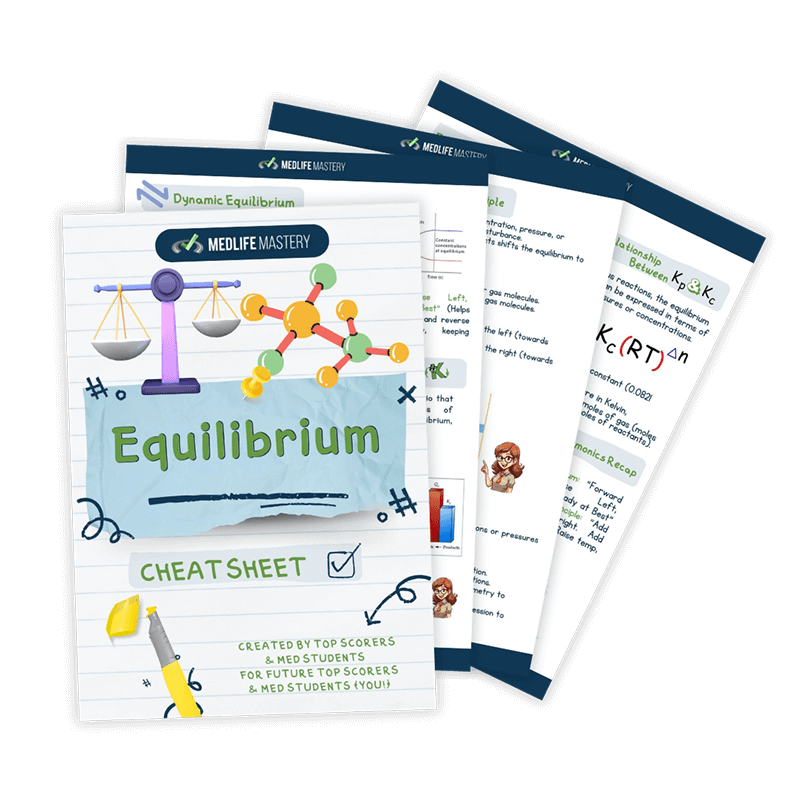
Dynamic equilibrium, equilibrium constant, reaction quotient Q, ICE tables, Le Chatelier's principle, and converting between Kp and Kc.
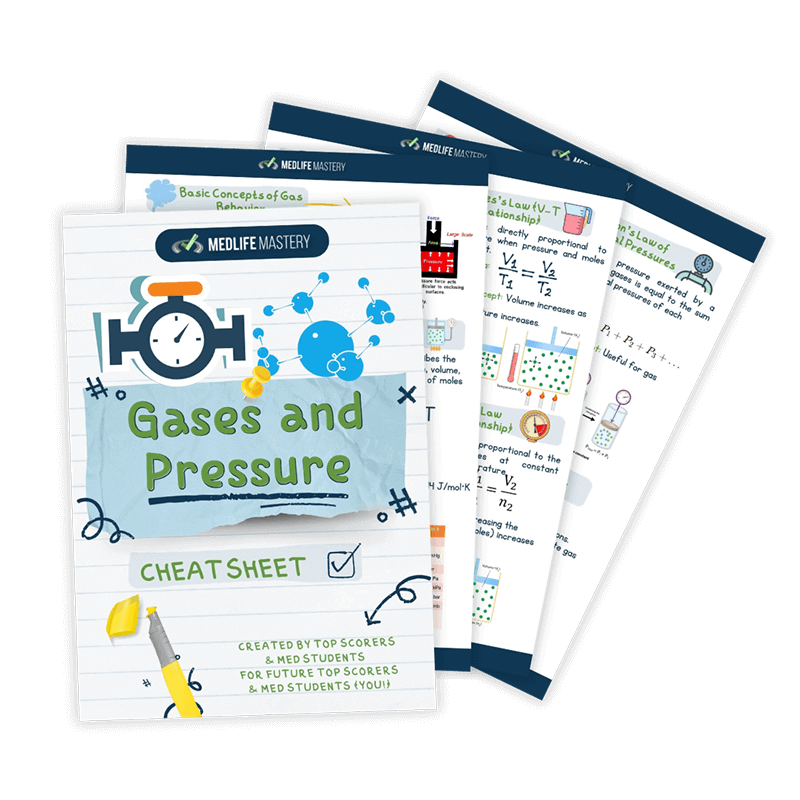
Pressure units, the ideal gas law, Boyle's, Charles's, Avogadro's and Gay-Lussac's laws, combined gas law, and Dalton's law.
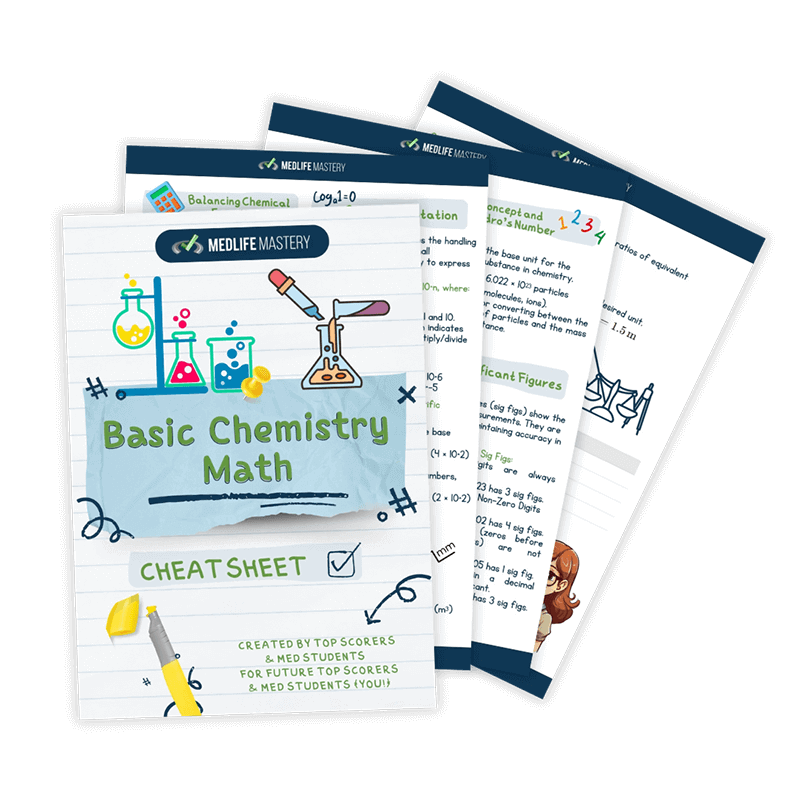
Balancing equations, scientific notation, SI units and prefixes, dimensional analysis, the mole and Avogadro's number, and significant figures.
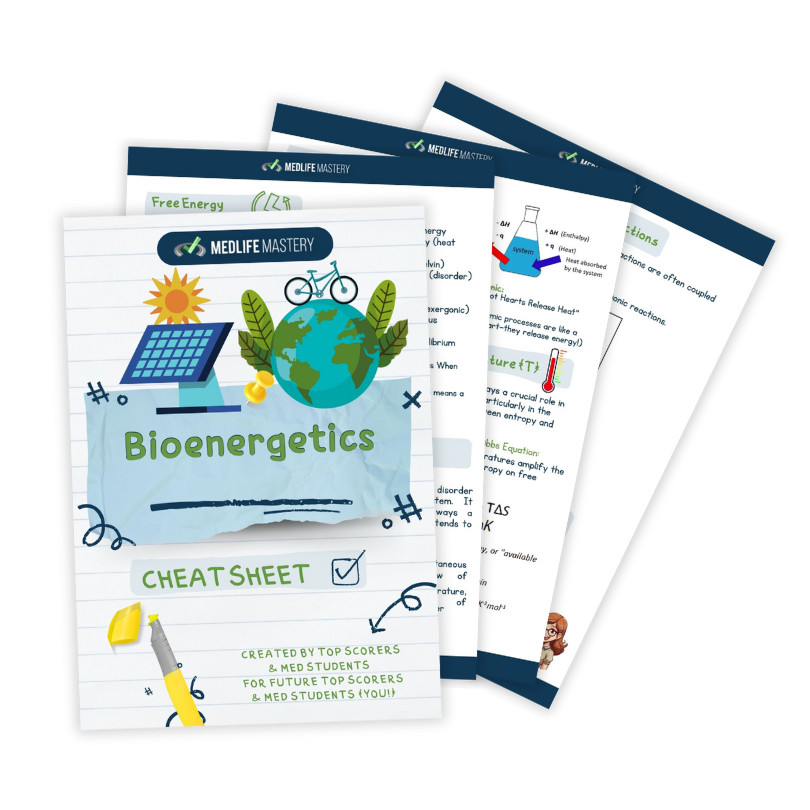
Gibbs free energy, enthalpy, entropy, exergonic and endergonic reactions, ATP coupling, and the two laws of thermodynamics.
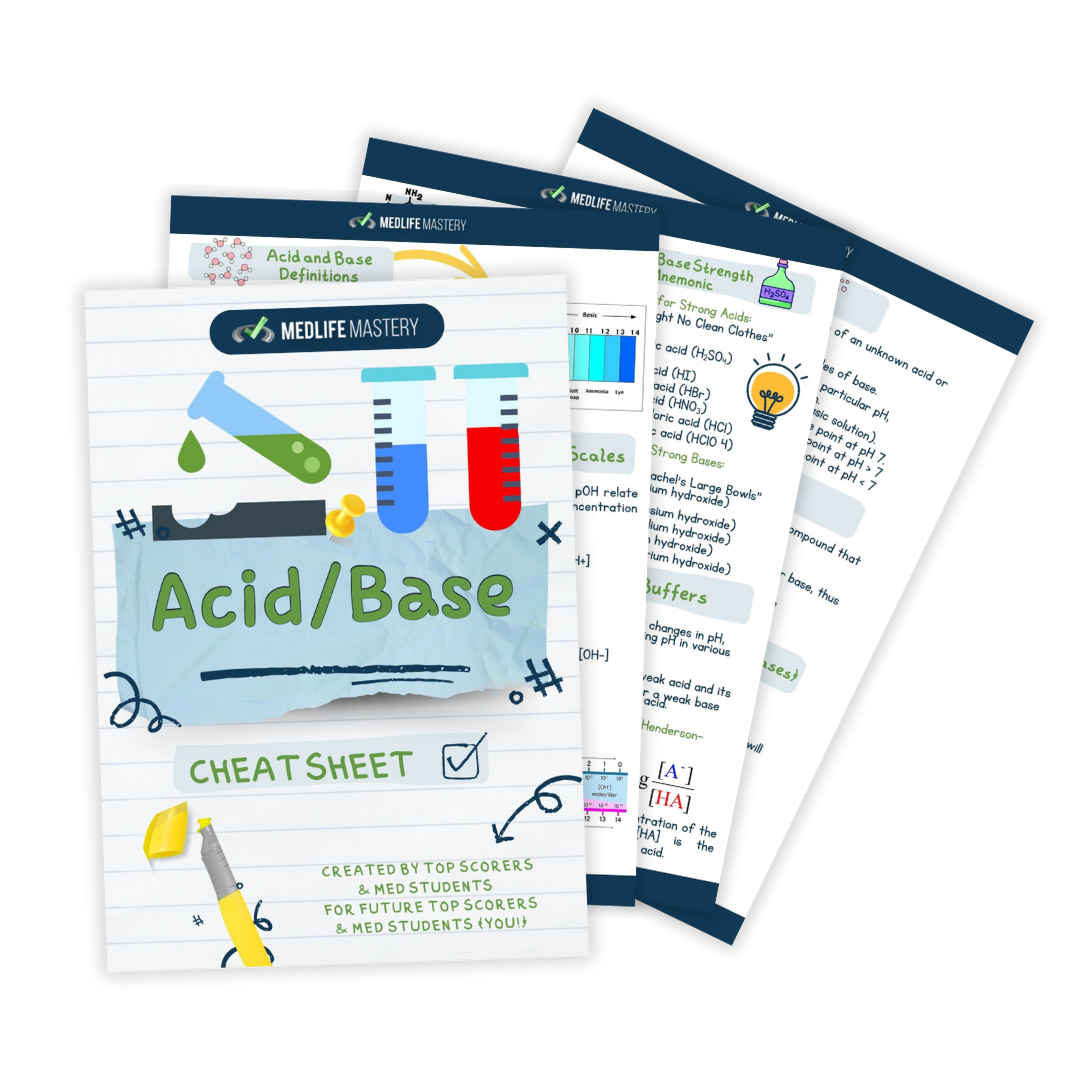
Acid and base strength, pH and pOH, Ka and Kb, conjugate pairs, buffers, common ion effect, and titration.

Electronegativity, effective nuclear charge, shielding, electron affinity, metallic character, reactivity, atomic and ionic radius, and ionization energy.
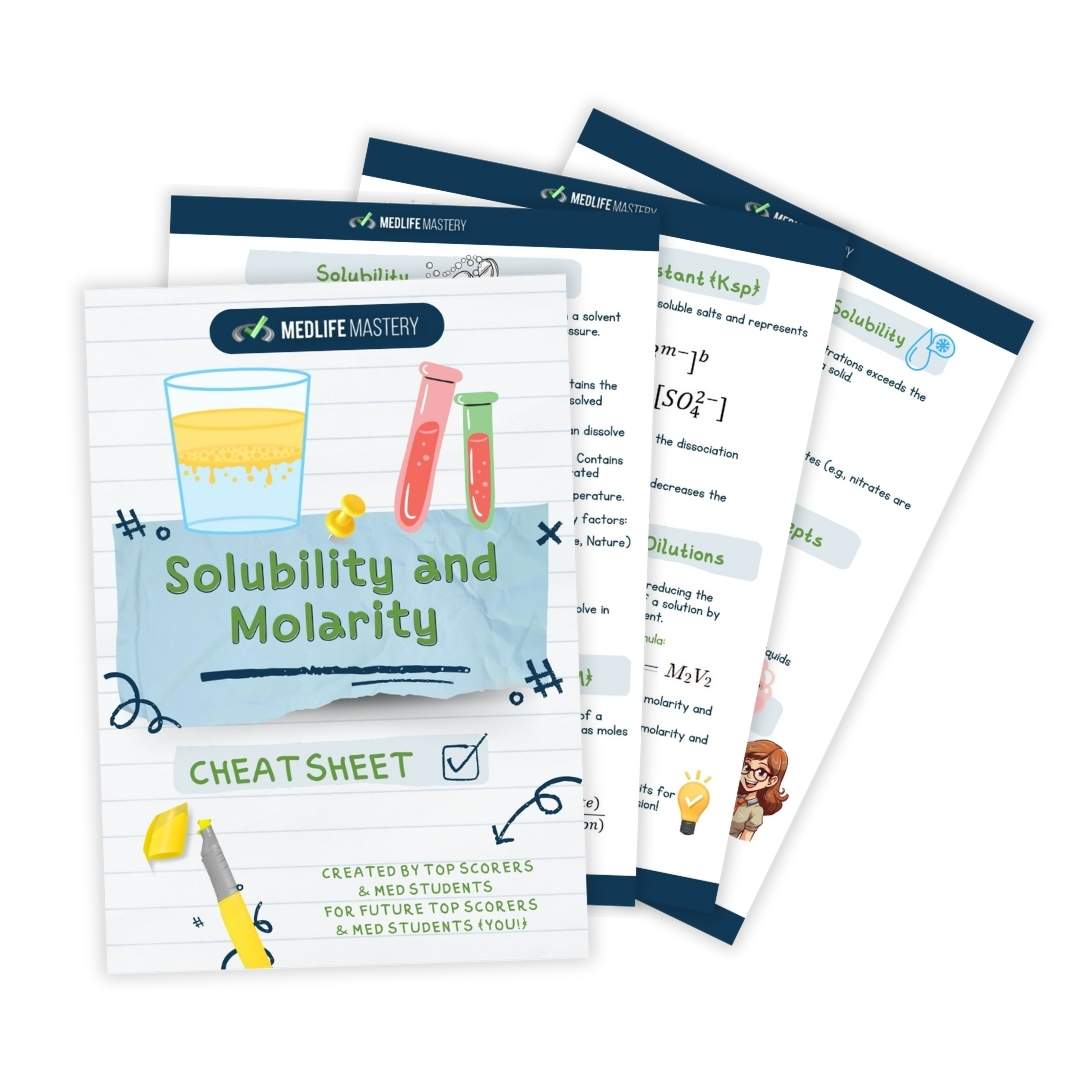
Factors affecting solubility, saturated and unsaturated solutions, molarity, dilutions, Ksp and precipitation, Henry's law, and miscibility.
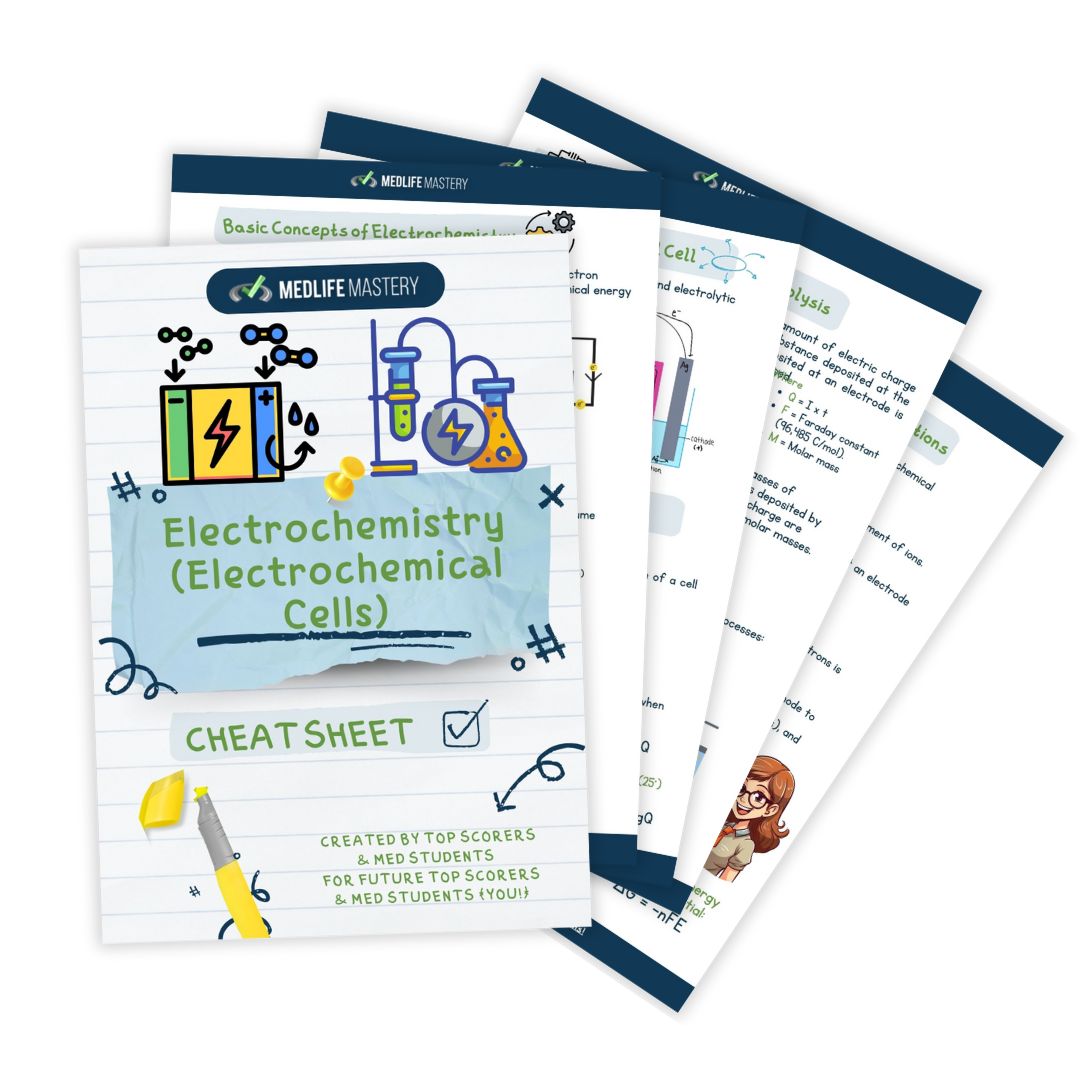
Galvanic versus electrolytic cells, anode and cathode, standard electrode potential, the Nernst equation, Faraday's laws, and applications.
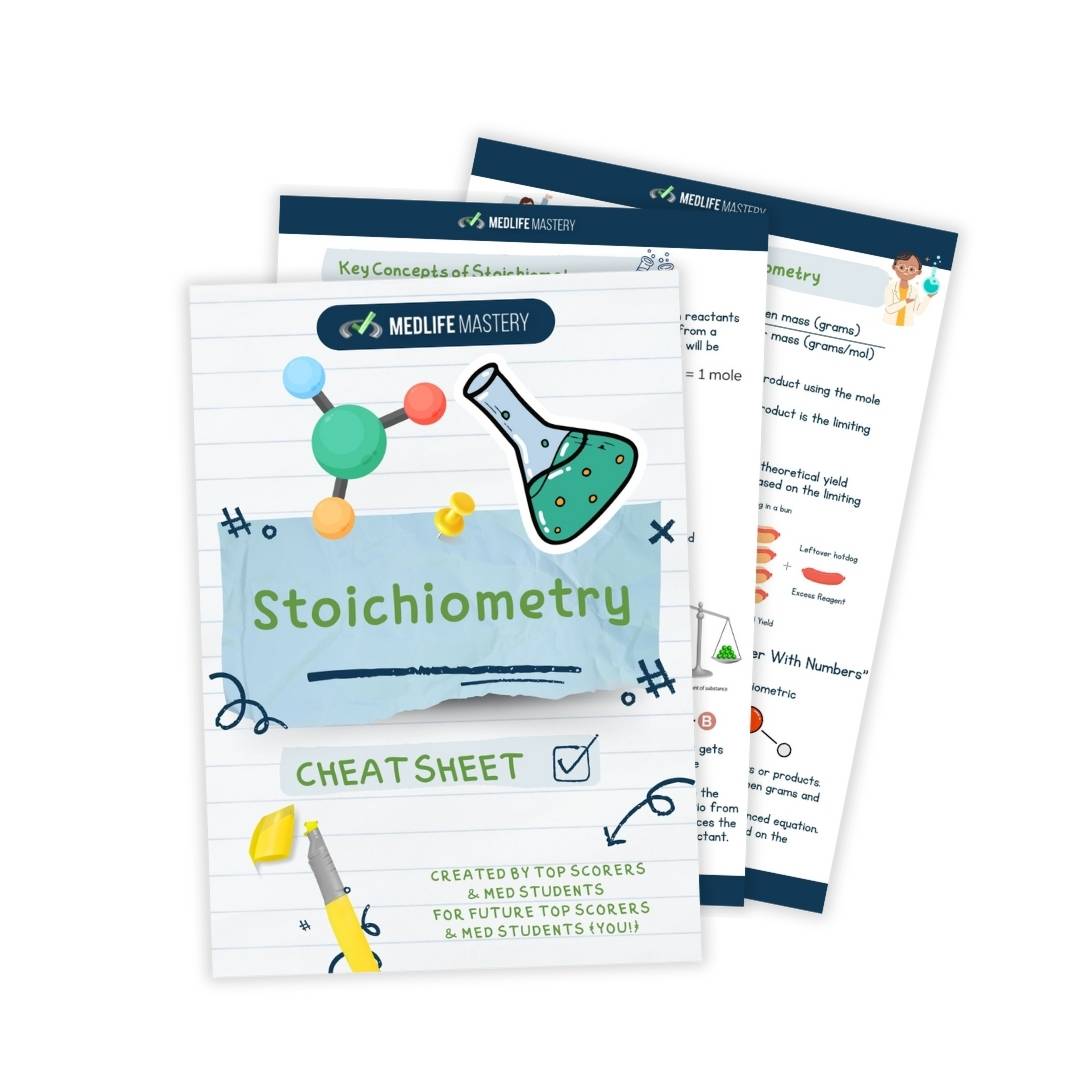
Molar mass, the mole, mole ratios from balanced equations, limiting reactant, theoretical yield, and mass-to-mole conversions.
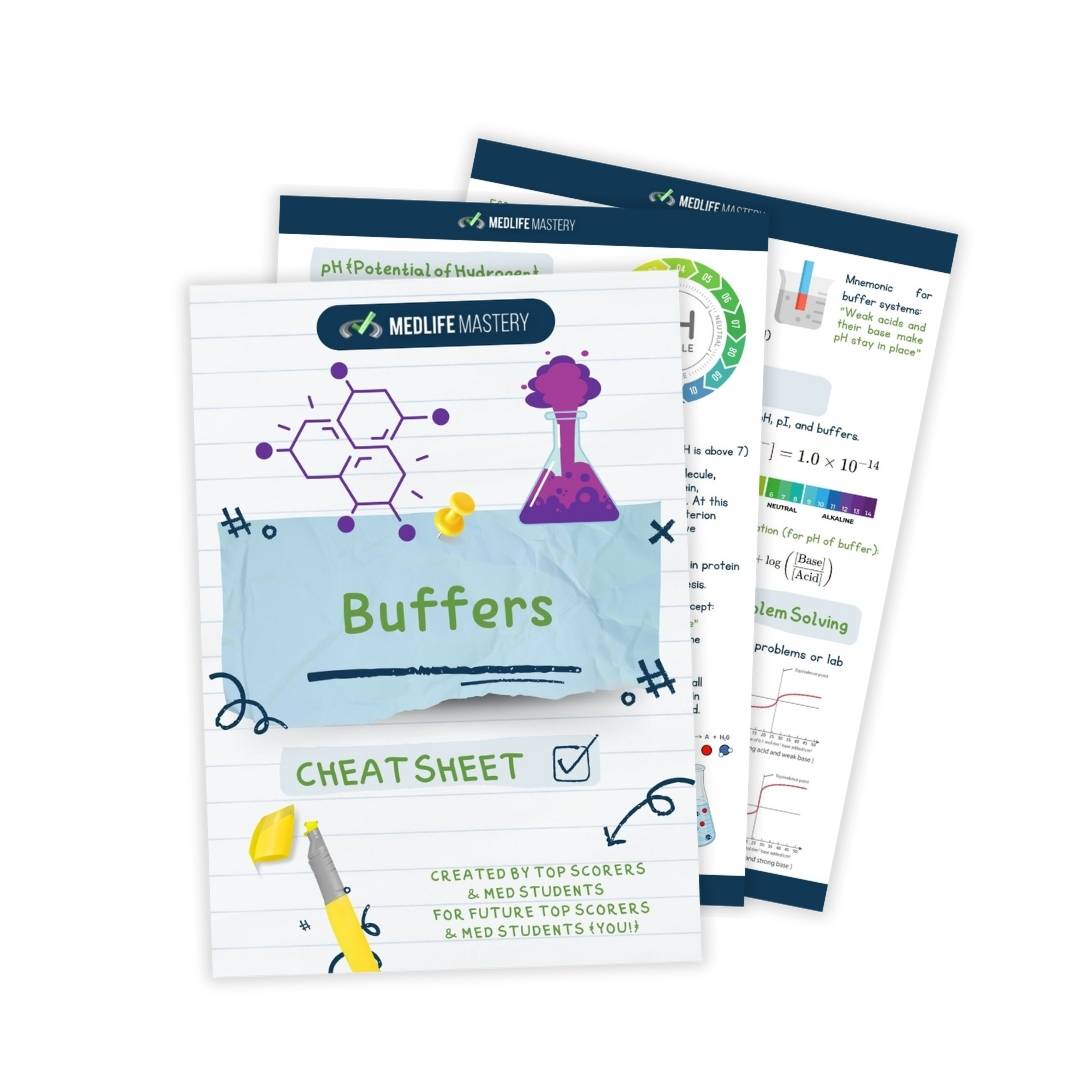
pH and pOH, isoelectric point, buffer components, Henderson-Hasselbalch equation, effective buffering range, common buffer systems, and titration curves.
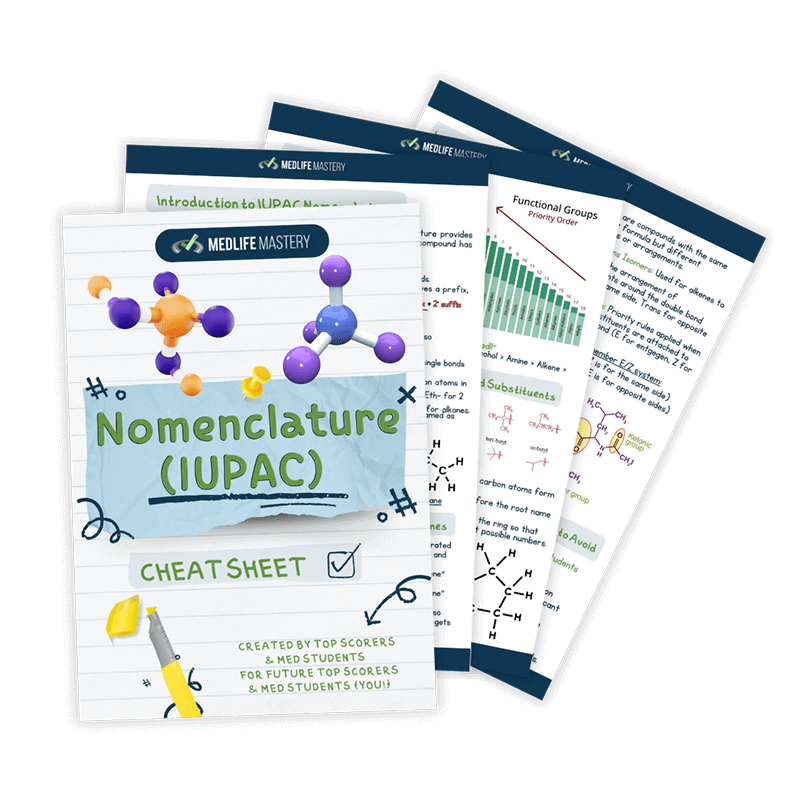
Alkane, alkene and alkyne naming, lowest locants, substituents, cyclic compounds, functional group priority, and cis-trans and E/Z notation.
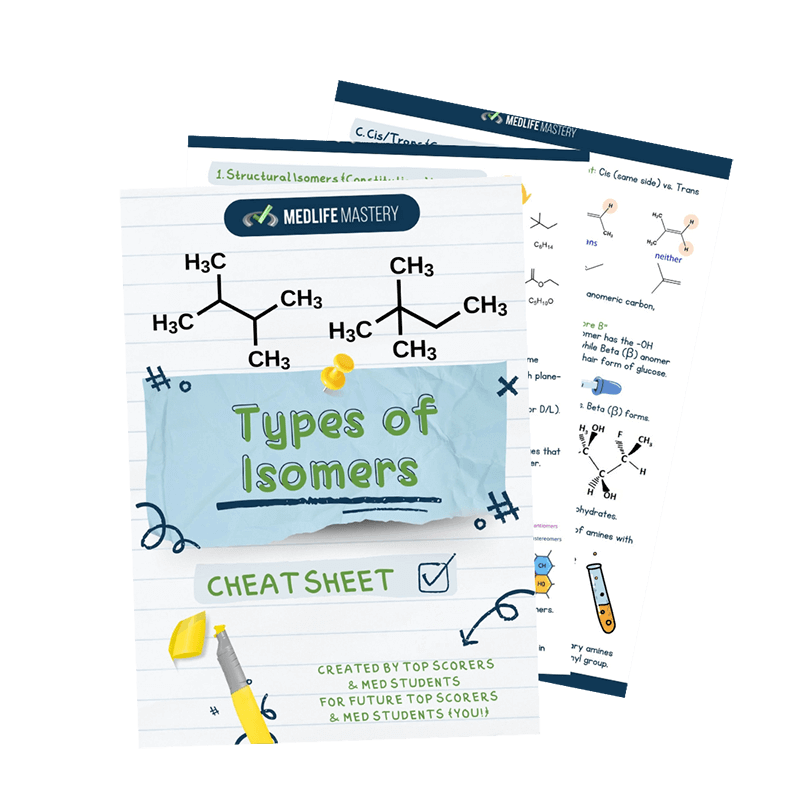
Structural isomers, enantiomers, diastereomers, cis-trans isomers, anomers, epimers, and amine reactions with carbonyl groups.

Centrifugation, chromatography, spectroscopy, microscopy, PCR, gel electrophoresis, Western blotting, flow cytometry and FACS, cell culture, and ELISA.
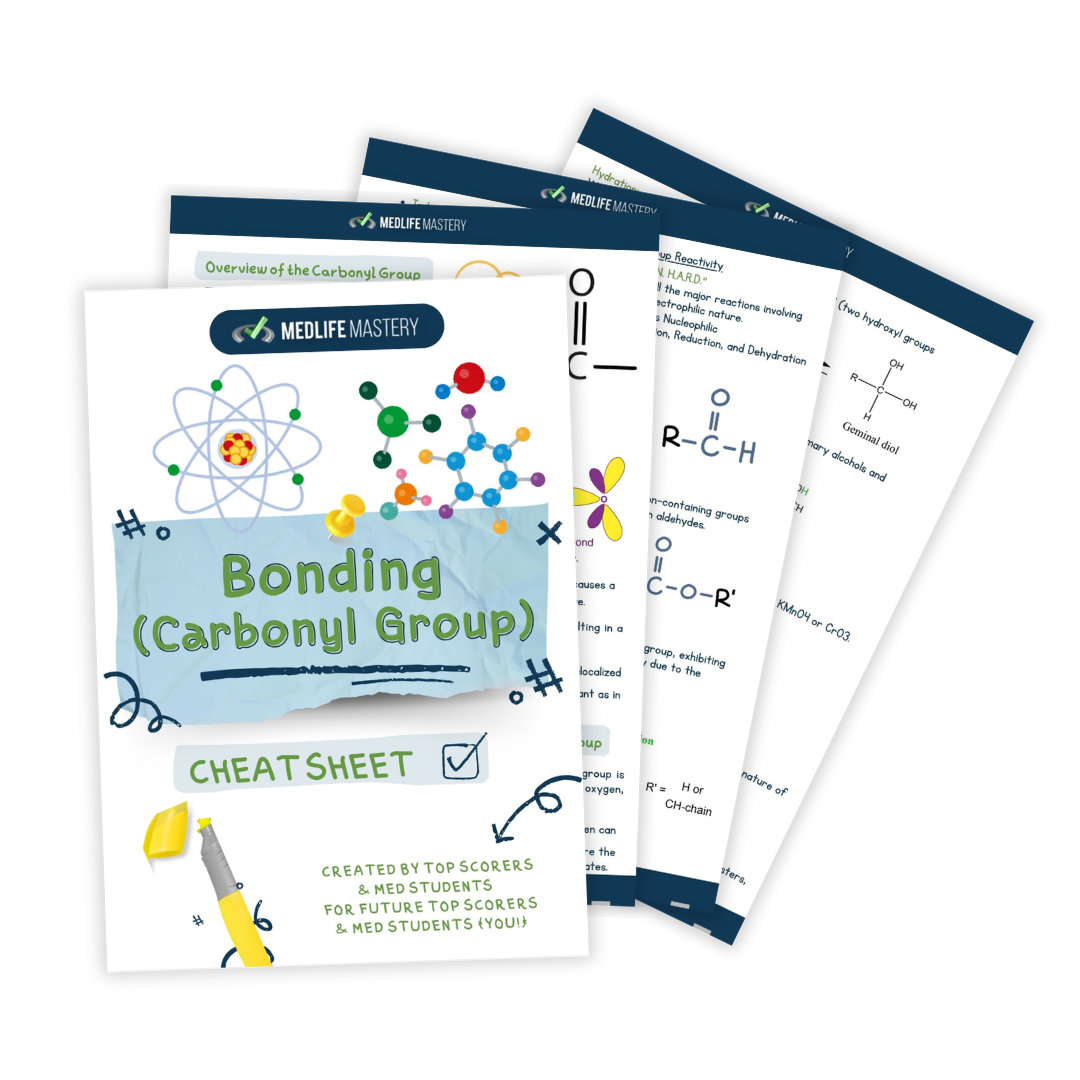
Carbonyl group bonding, sp2 hybridization, polarity, electrophilic carbon, inductive effect, aldehydes, ketones, esters, carboxylic acids, and nucleophilic addition.
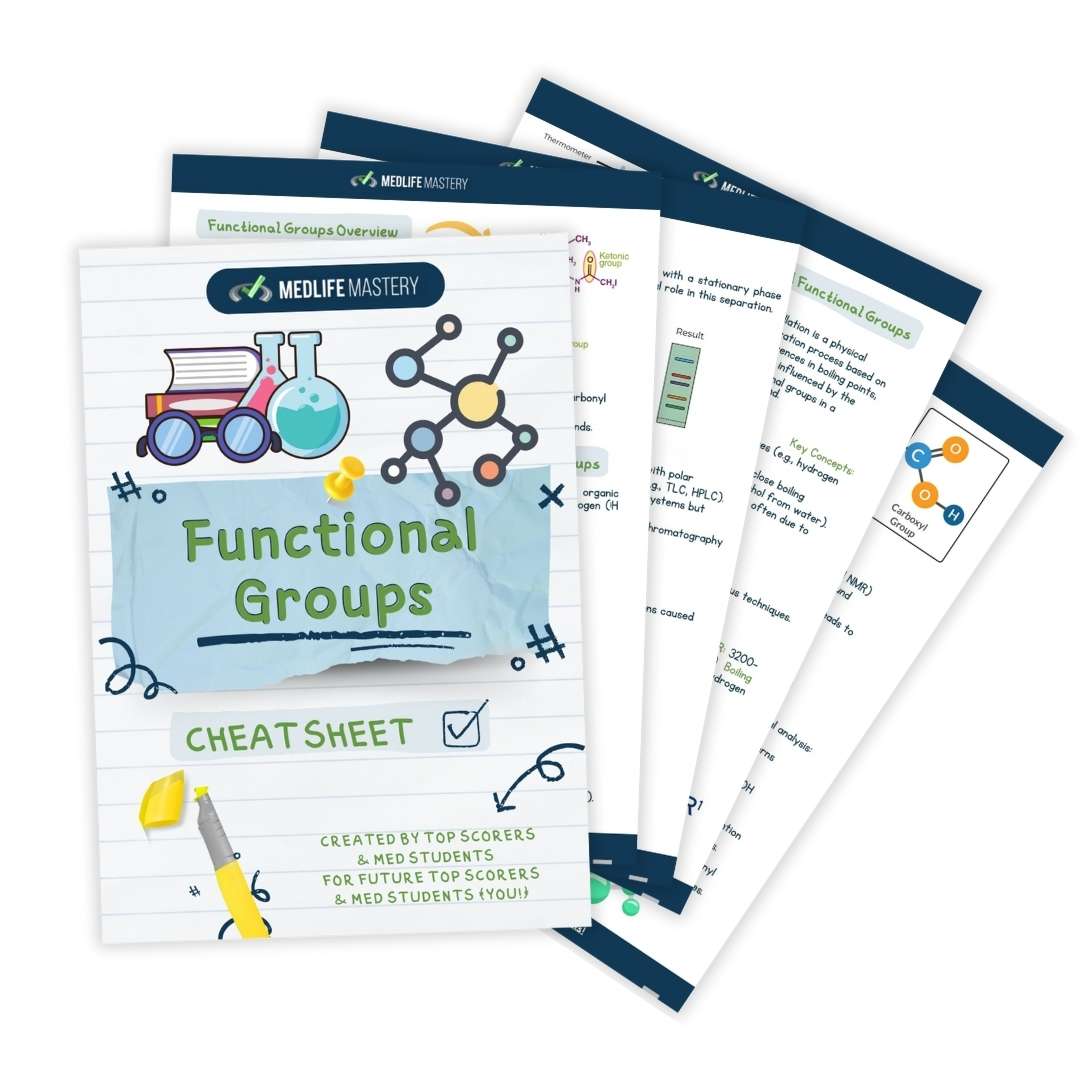
Hydroxyl, carbonyl, alkyl and amino groups, with NMR shifts, IR peaks, chromatography behavior, polarity, and boiling points.
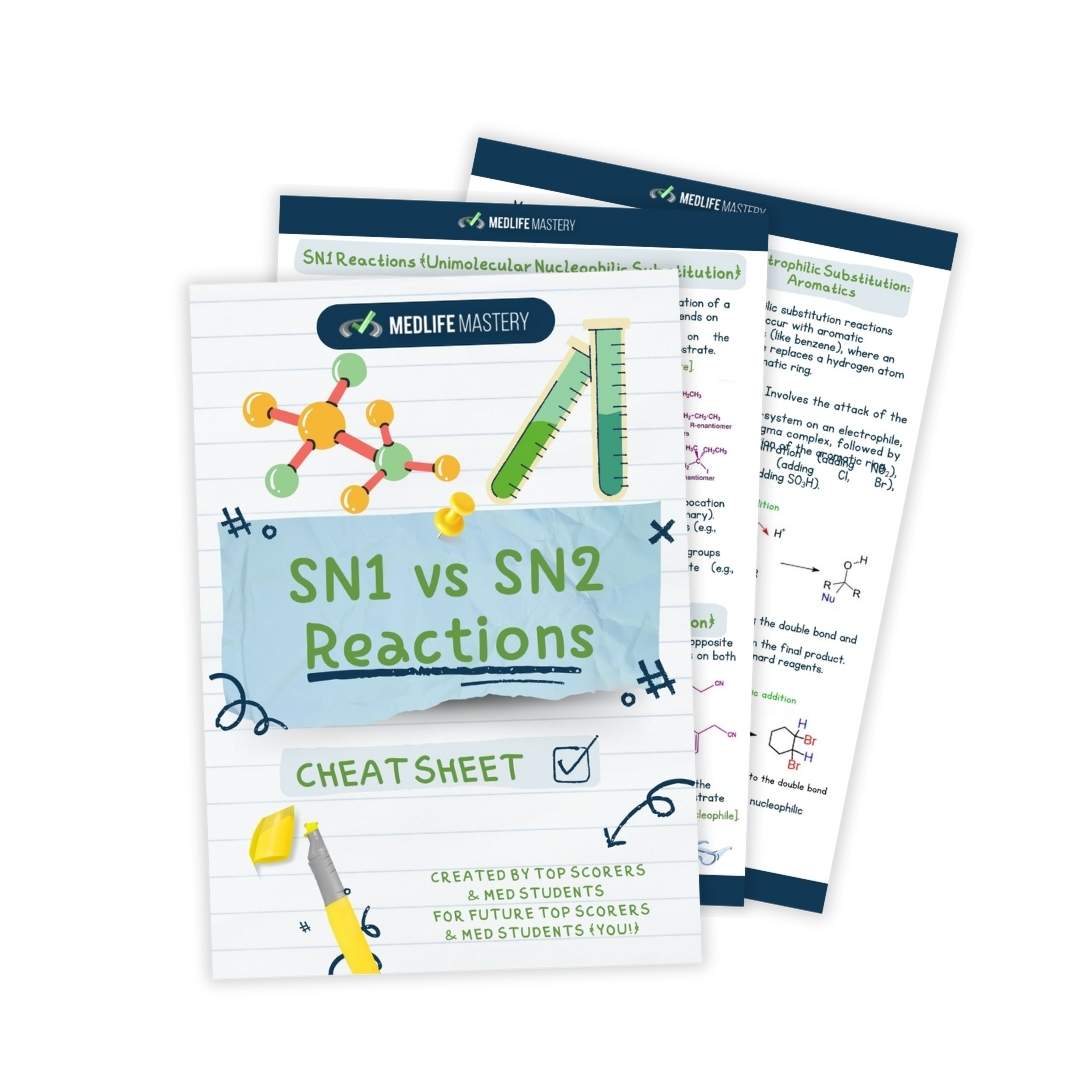
SN1 and SN2 mechanisms, kinetics, substrate, solvent and leaving group effects, stereochemistry, electrophilic aromatic substitution, and nucleophilic addition.
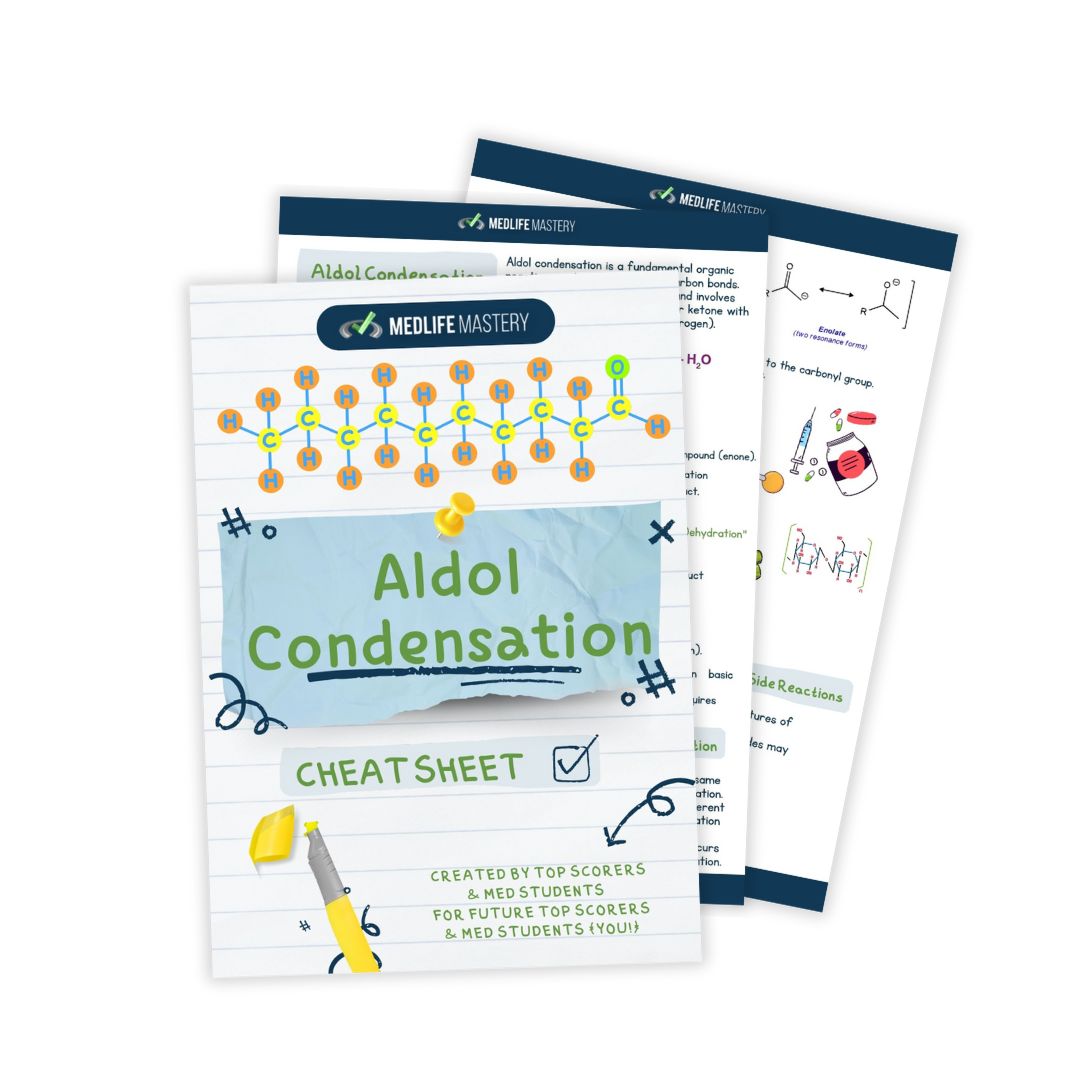
Enolate formation, nucleophilic attack, aldol product, dehydration to enones, self, crossed and intramolecular types, conditions, and side reactions.
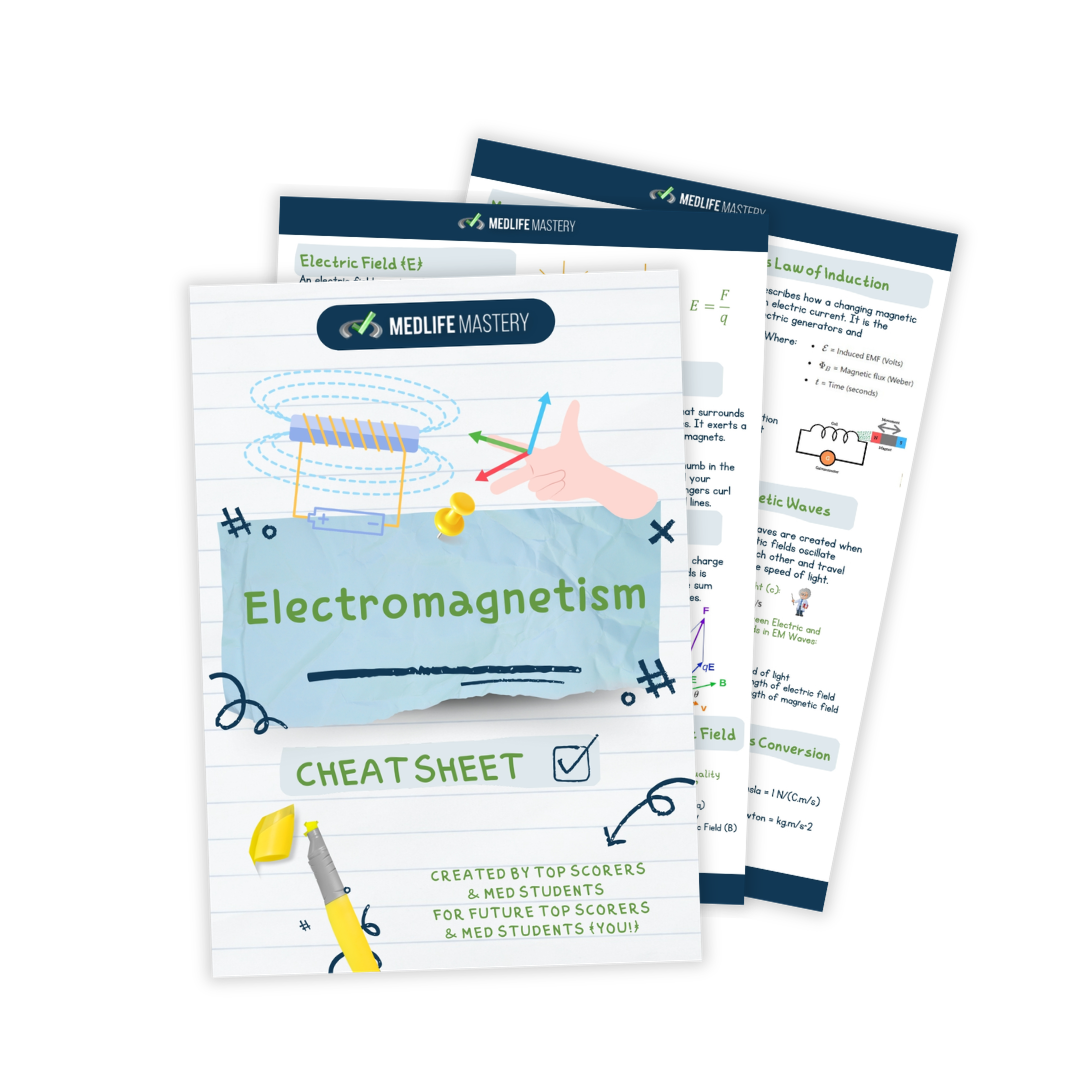
Electric and magnetic fields, Coulomb's law, Lorentz force, Faraday's and Lenz's laws, magnetic flux, and Maxwell's equations.
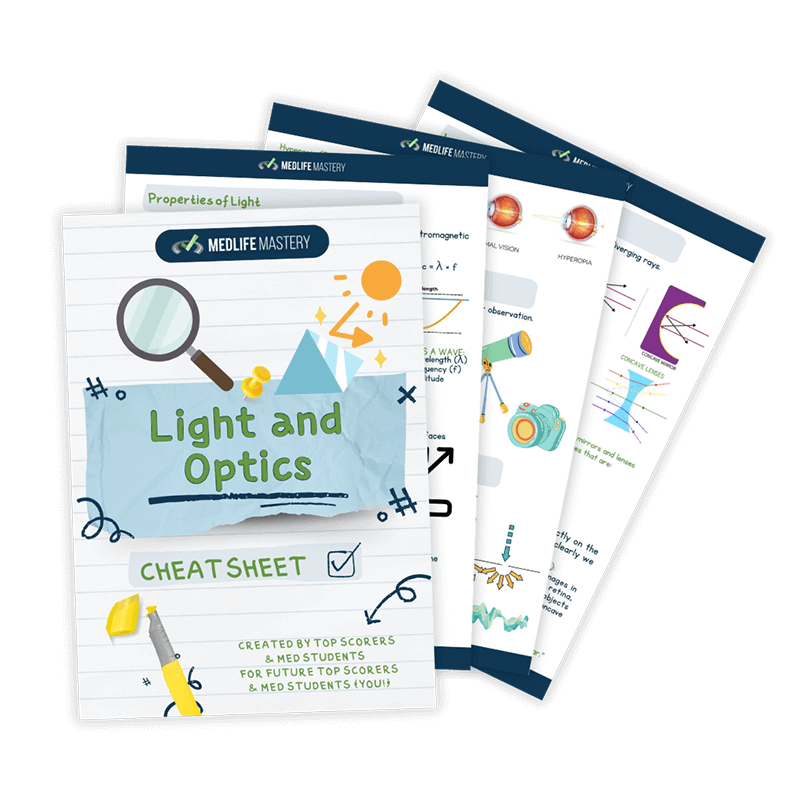
Reflection, refraction and Snell's law, mirrors and lenses, myopia and hyperopia, interference, diffraction, photon energy, and optical instruments.
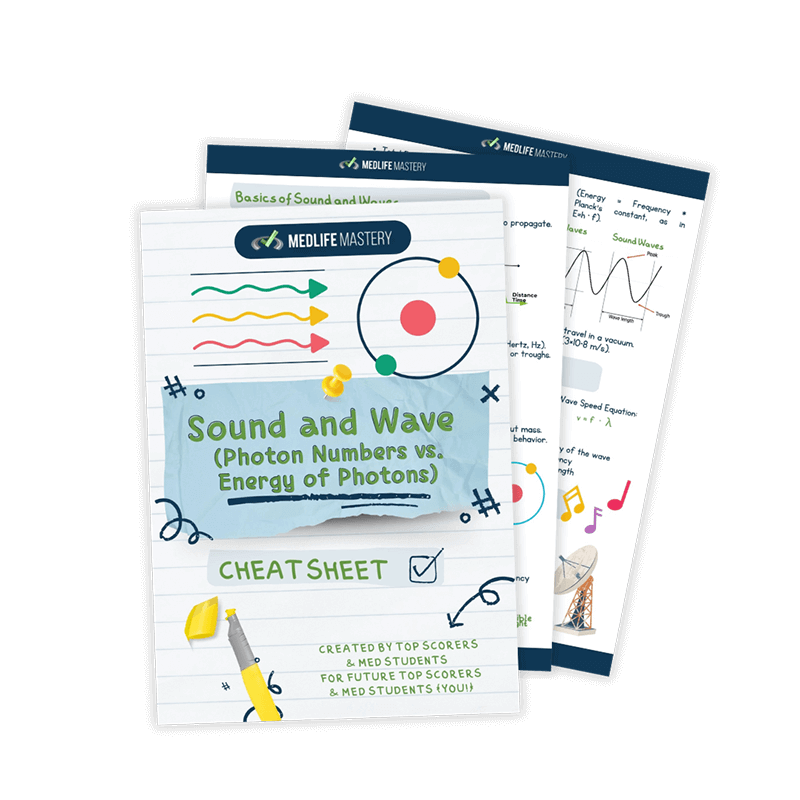
Frequency, wavelength, amplitude, wave speed, sound versus light waves, photon energy, and photon number.
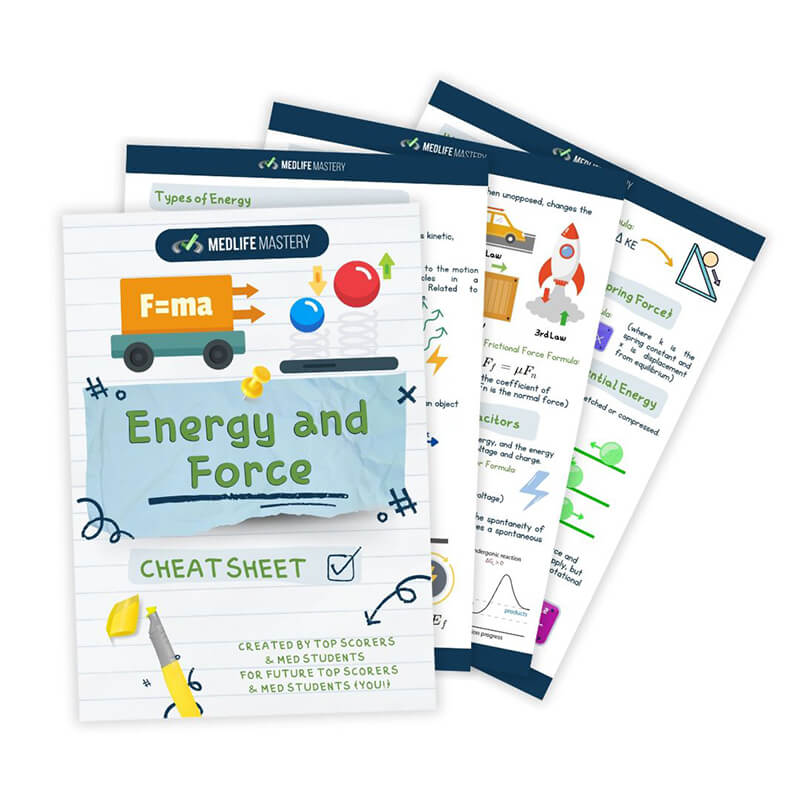
Kinetic and potential energy, work and power, Newton's laws, friction, Hooke's law, impulse and momentum, and centripetal force.
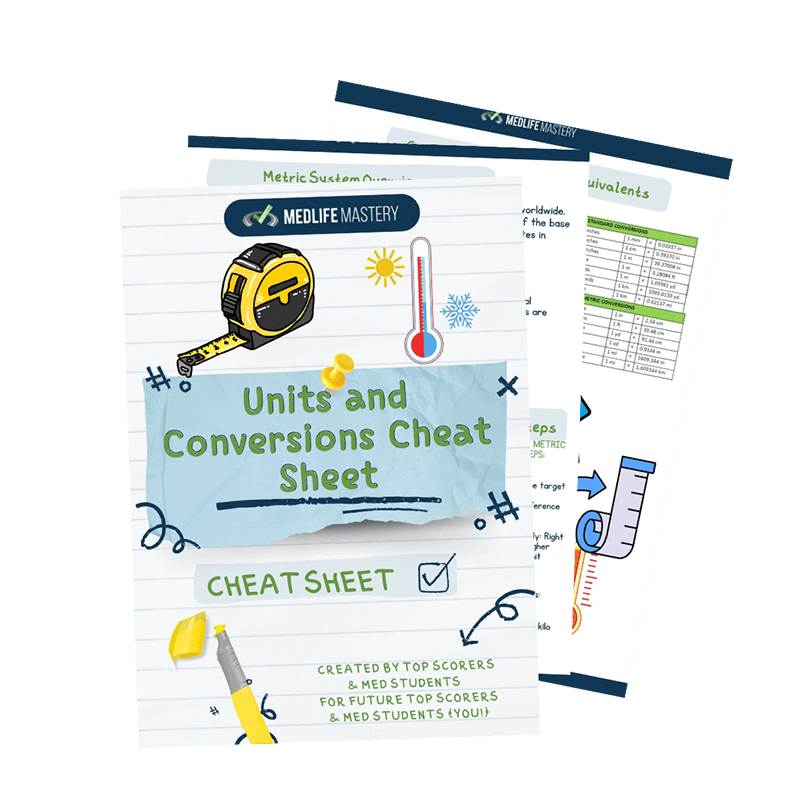
Metric base units and prefixes, step-by-step unit conversion, deciding whether to multiply or divide, and common metric equivalents.
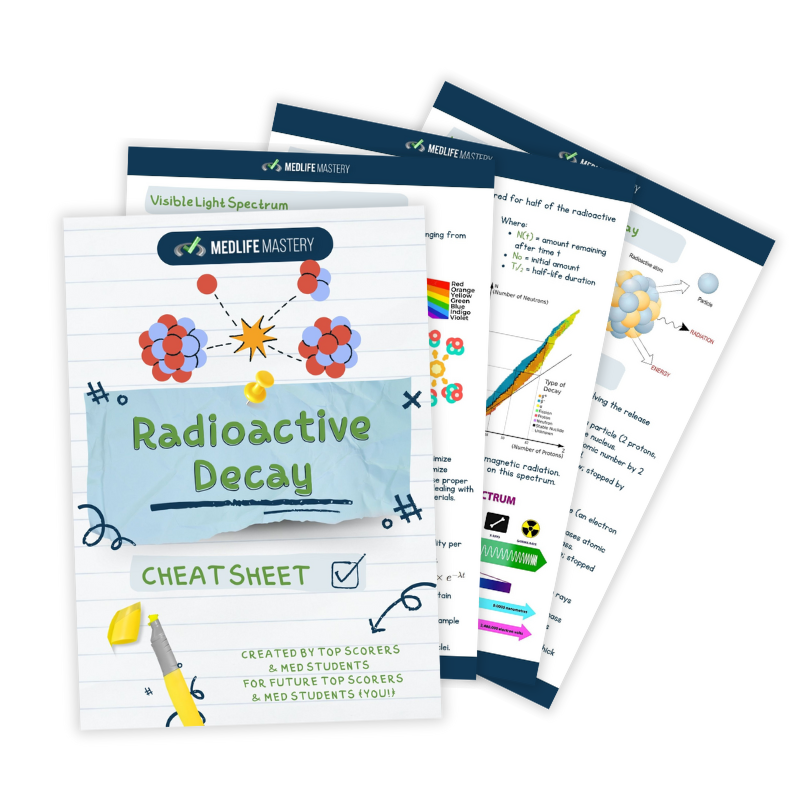
Alpha, beta and gamma decay, half-life, nuclear stability, the electromagnetic spectrum, visible light, decay series, and radiation shielding.

Pressure, flow and resistance relationships, Poiseuille's law, vessel diameter effects, vasoconstriction and vasodilation, systemic versus pulmonary circulation.
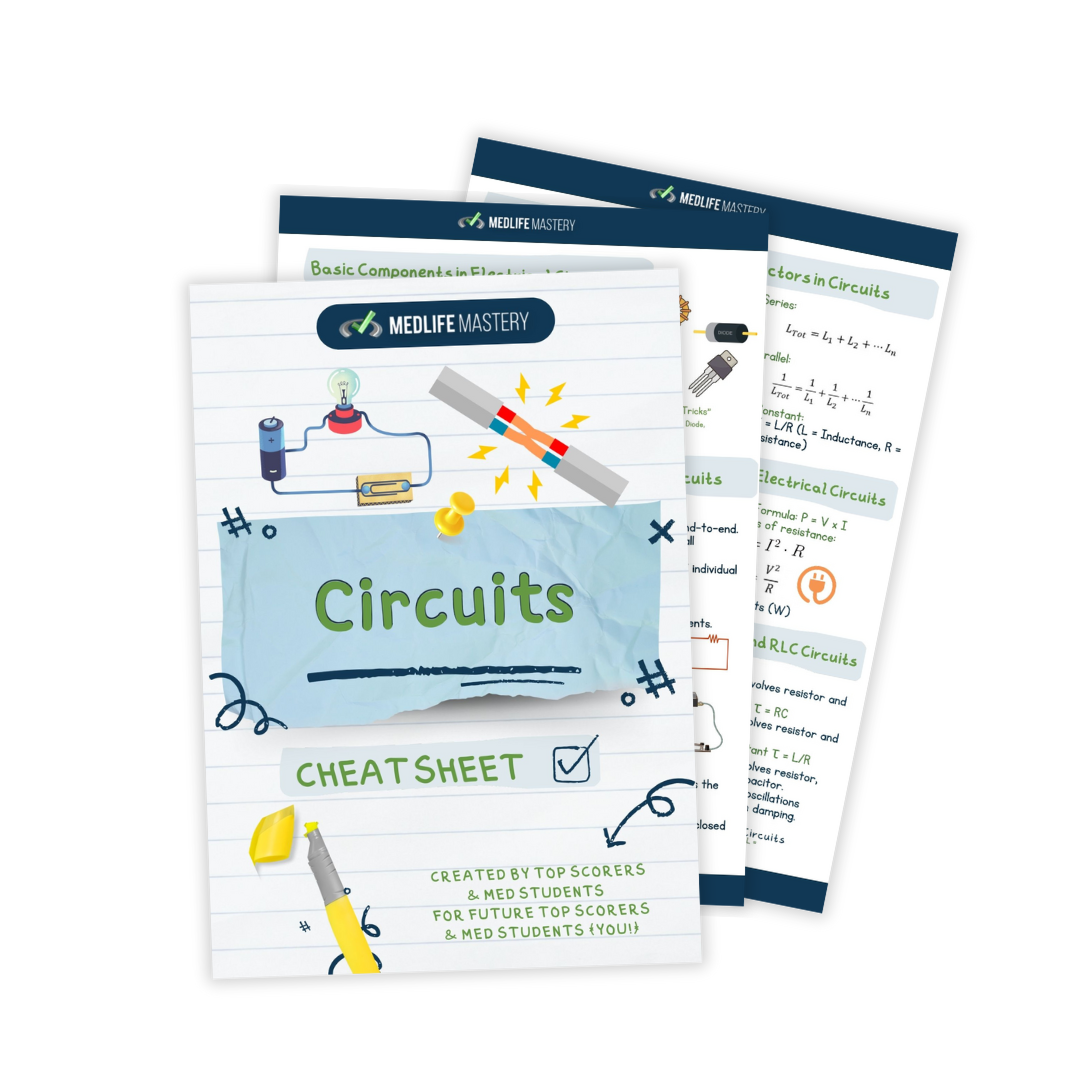
Ohm's law, circuit components, series versus parallel, Kirchhoff's laws, AC versus DC, and RC, RL and RLC circuits.
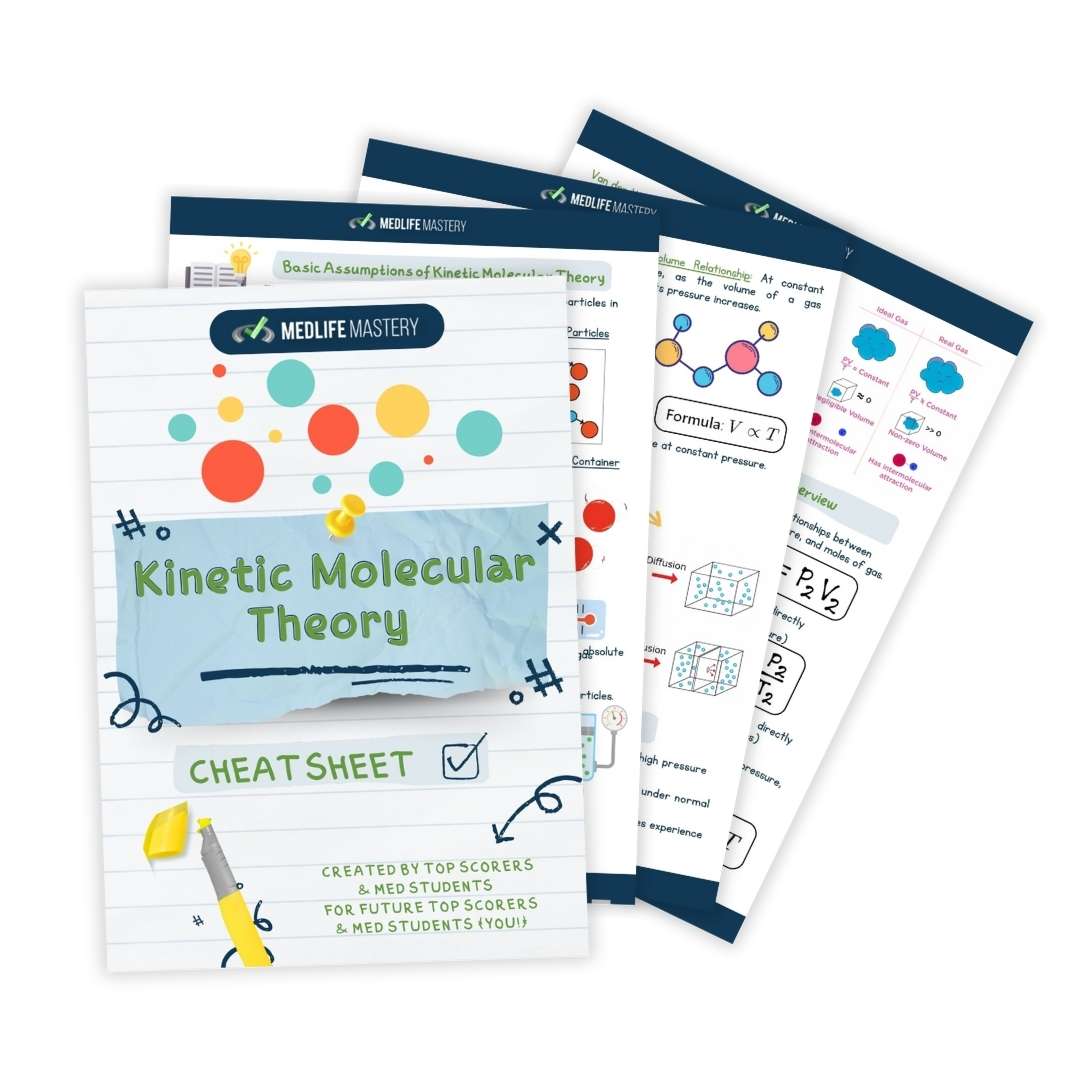
Kinetic molecular theory assumptions, temperature and kinetic energy, gas laws, diffusion and effusion, non-ideal gases, and rms velocity.
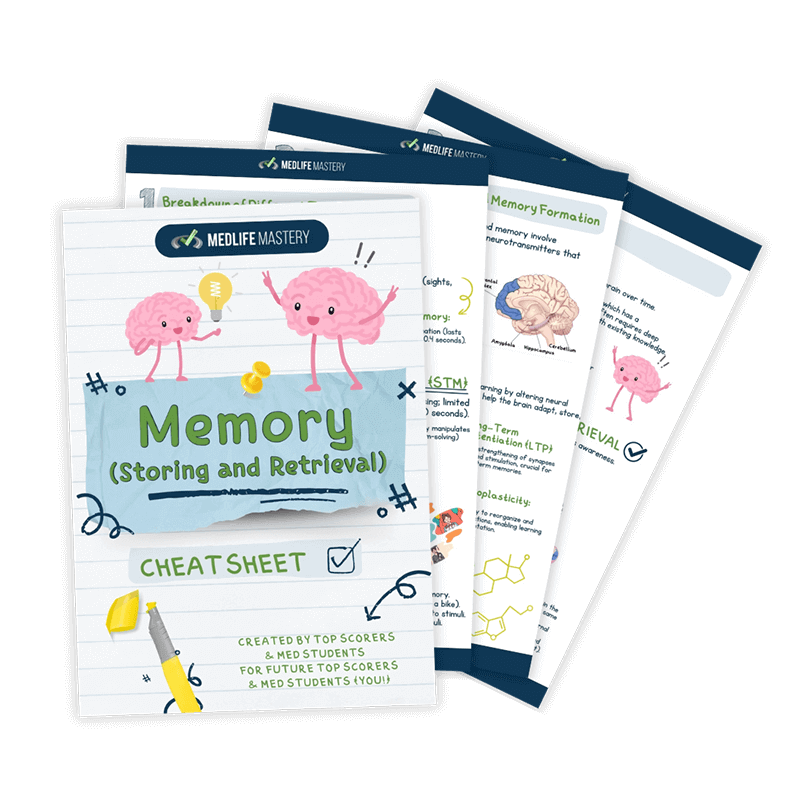
Sensory, short-term, working and long-term memory, explicit and implicit memory, memory brain structures, long-term potentiation, and retrieval cues.
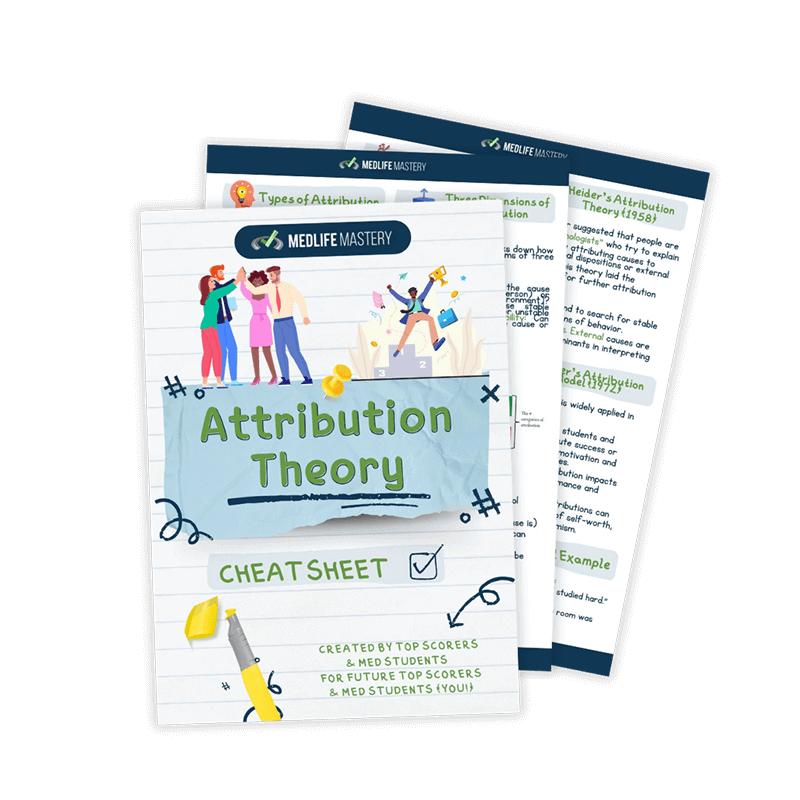
Internal and external attribution, locus, stability, controllability, fundamental attribution error, actor-observer bias, self-serving bias, and applications.
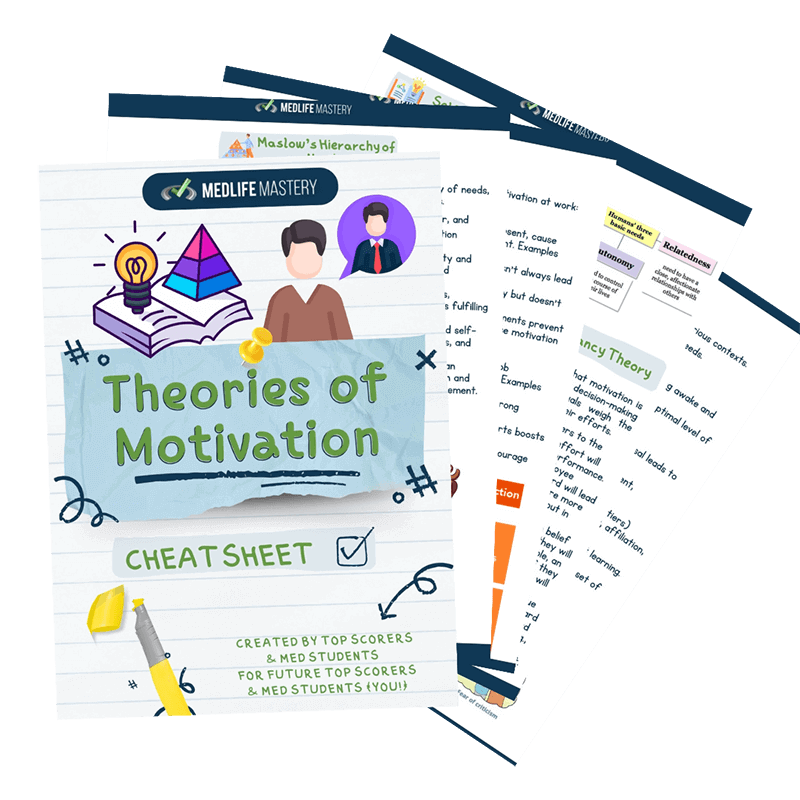
Maslow's hierarchy, Herzberg's two-factor theory, self-determination theory, expectancy theory, drives, arousal, Yerkes-Dodson law, needs, and instincts.
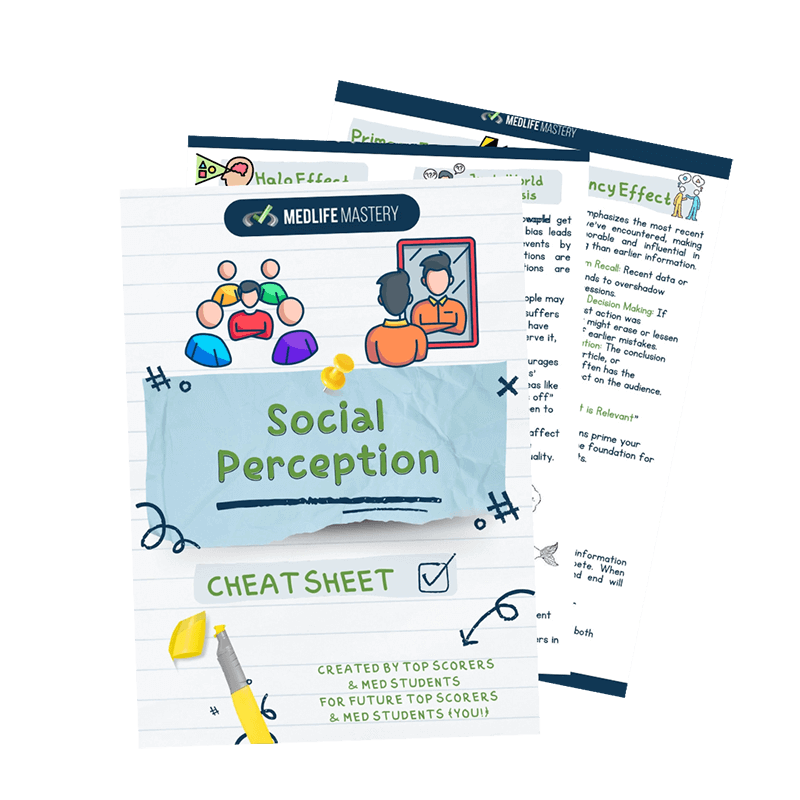
Halo and horn effects, just-world hypothesis, blaming the victim, primacy effect, recency effect, and balancing primacy with recency.

Classical conditioning terms and phases, operant conditioning, reinforcement and punishment, reinforcement schedules, and how the two methods differ.

Role conflict, strain and exit, ascribed and achieved status, group types, social ties, leadership styles, conformity, and groupthink.

DSM-5 basics and anxiety, mood, obsessive-compulsive, personality, psychotic, eating, trauma-related, and neurodevelopmental disorders, plus treatments.
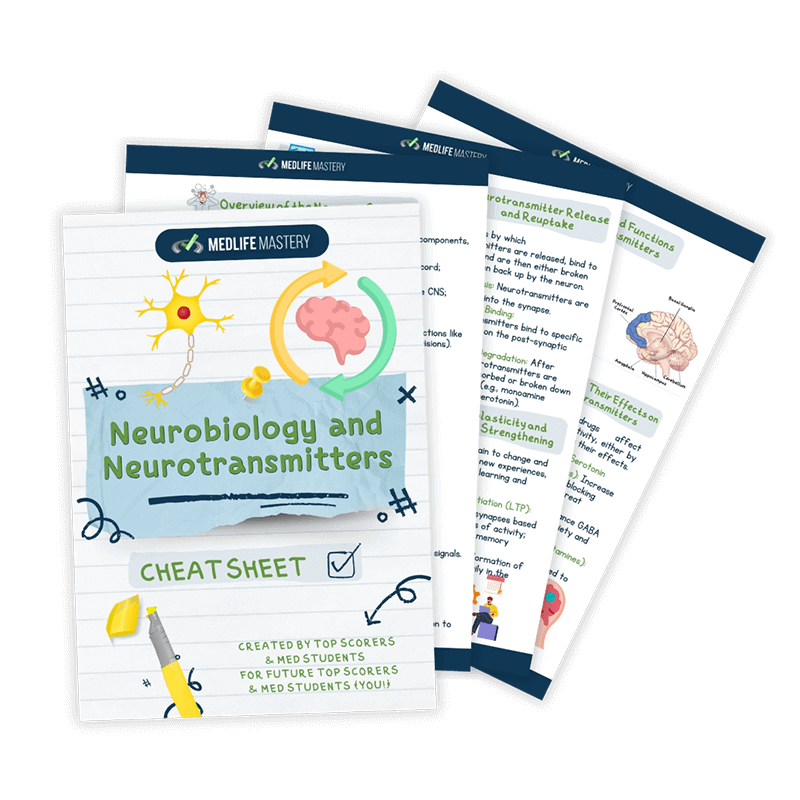
CNS and PNS organization, neuron structure, neurotransmitters, release and reuptake, neuroplasticity, long-term potentiation, drug effects, and brain regions.
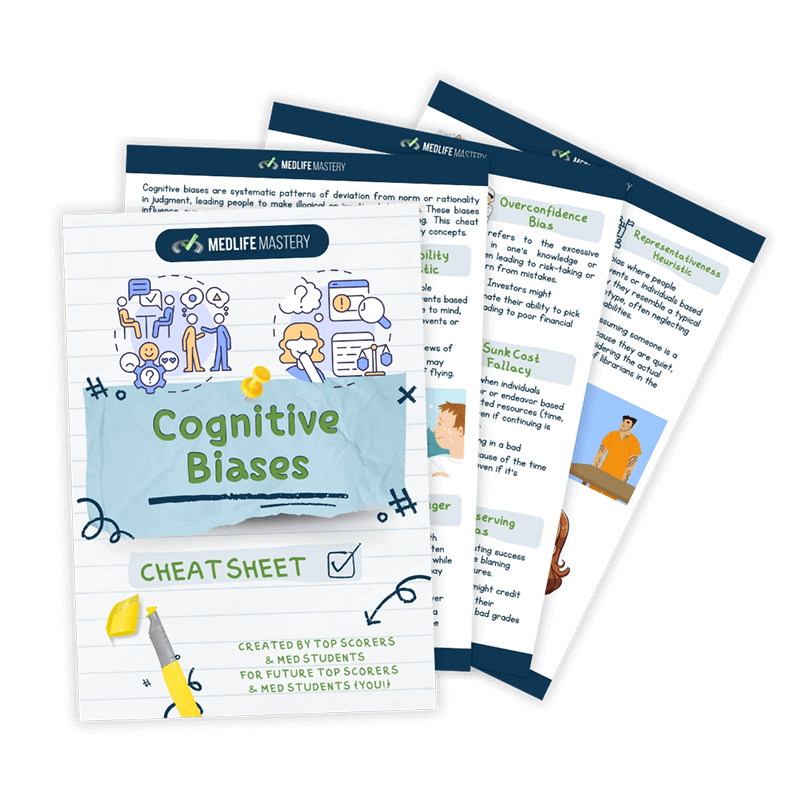
Anchoring, availability and representativeness heuristics, confirmation, hindsight, recency and self-serving biases, Dunning-Kruger effect, overconfidence, and sunk cost fallacy.
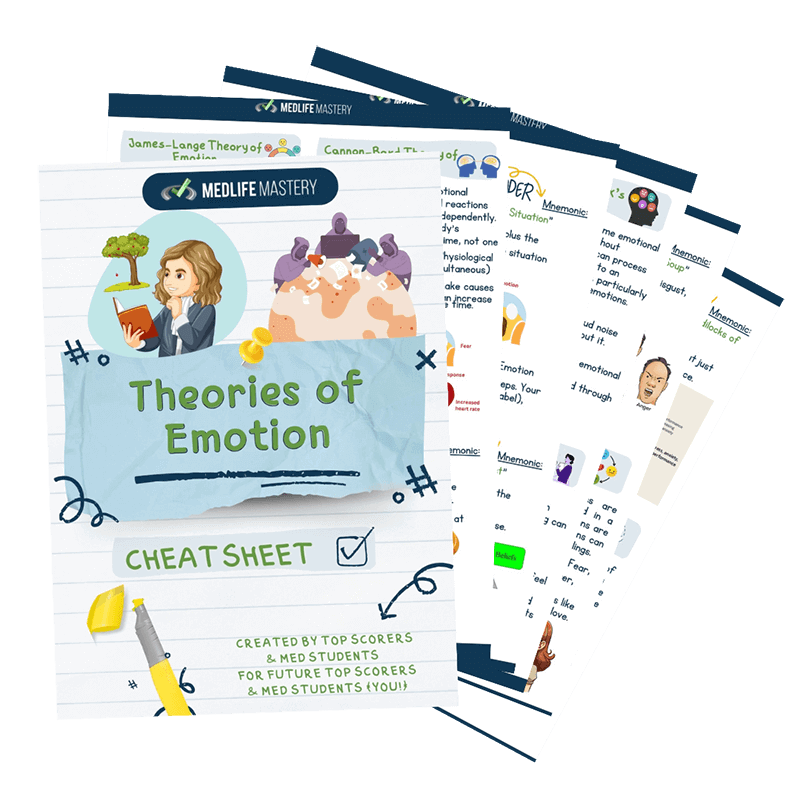
James-Lange, Cannon-Bard, Schachter-Singer, Lazarus and Zajonc-LeDoux theories, the facial feedback hypothesis, Ekman's basic emotions, and Plutchik's wheel.
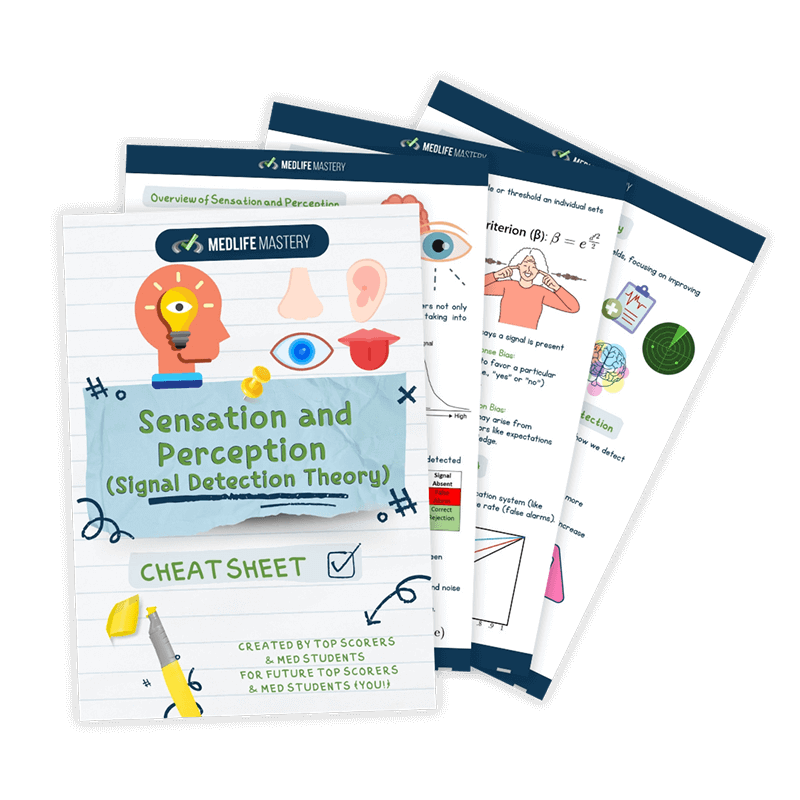
Sensation and perception, signal detection theory, hits, misses, false alarms, correct rejections, sensitivity, criterion, and ROC curves.
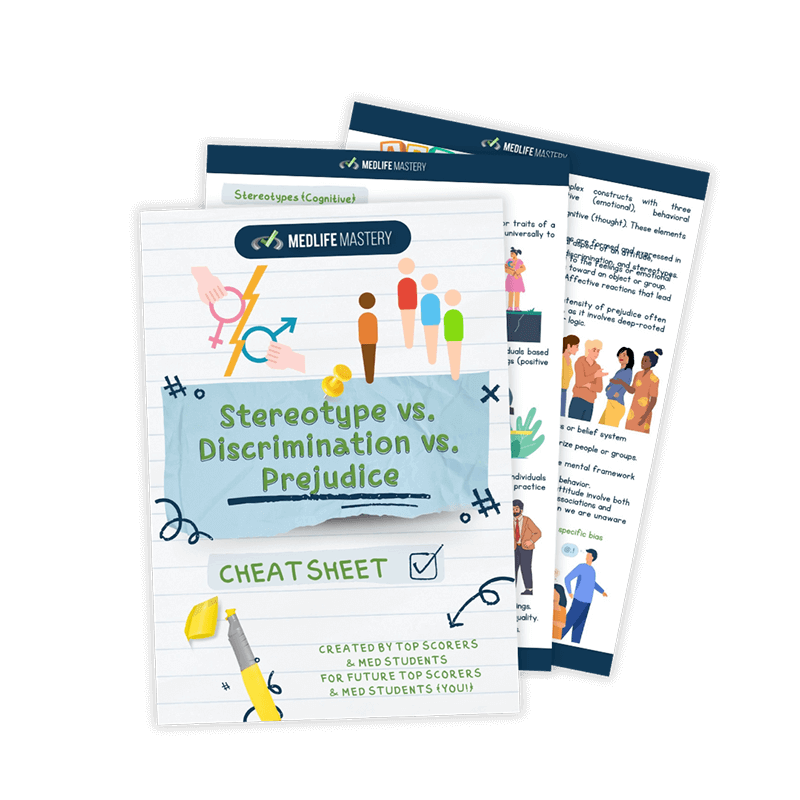
Stereotypes as cognitive beliefs, prejudice as emotional bias, discrimination as behavior, and the ABC components of attitudes.
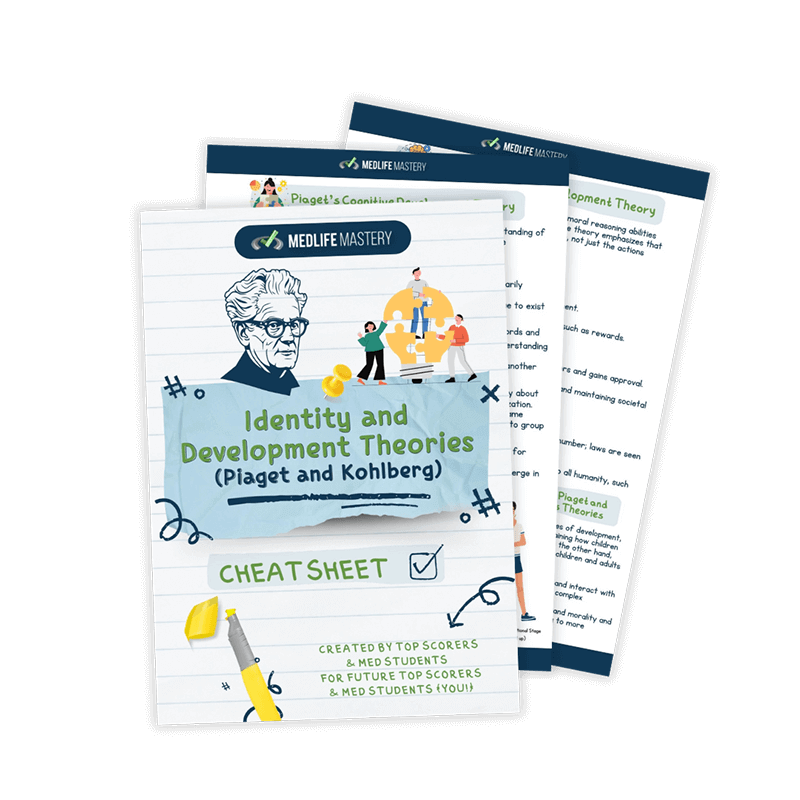
Piaget's stages of cognitive development, Kohlberg's three levels and six stages of moral reasoning, and how they compare.

Economic stability, neighborhood environment, social context, education, socio-cultural factors, stress and behavioral pathways, and upstream versus downstream factors.

Socioeconomic, racial, gender and geographic drivers, social determinants, access barriers, consequences, and efforts to reduce disparities.

Cultural relativism versus ethnocentrism, elements of culture, norms and sanctions, subcultures and countercultures, cultural lag, and ethnography.

Front and back stage, impression management, face-work, social scripts, role strain versus conflict, and Mead's I and Me.
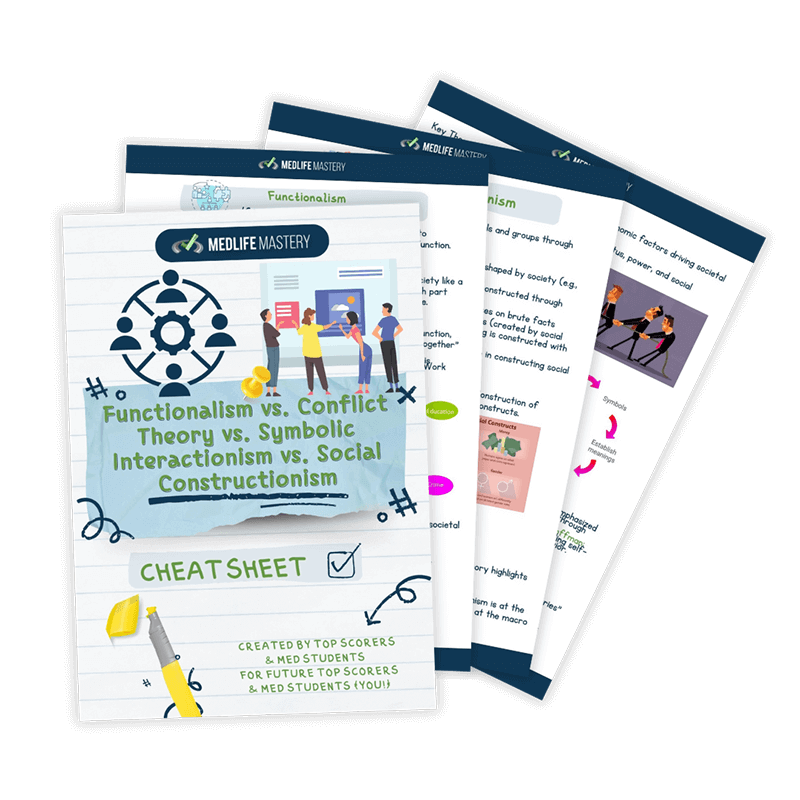
Functionalism, conflict theory, symbolic interactionism, social constructionism, manifest and latent functions, class conflict, the looking-glass self, and theorists.

Family, education, government, religion, economy and healthcare institutions, with kinship, authority types, and functionalist versus conflict views.
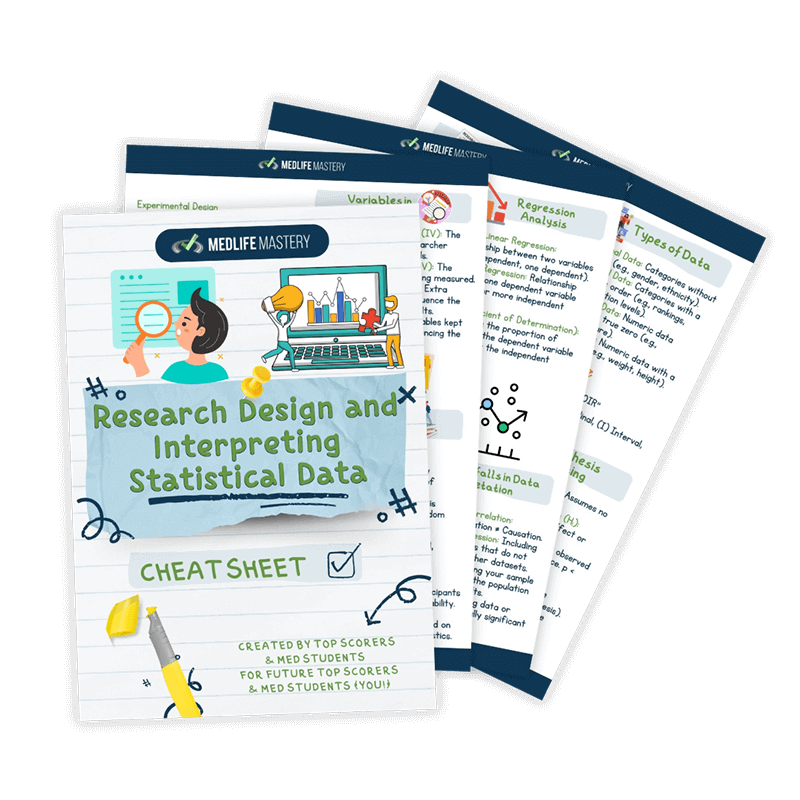
Experimental and non-experimental designs, variables, sampling, data types, hypothesis testing, descriptive and inferential statistics, regression, and common pitfalls.
No sheet matches that search. Try a shorter word, or pick a subject above.
The sheets work best once you've studied a topic, when you want all of it on a few pages.
Yes. You'll need a free MedLife account to download them, and one account opens all 68.
Between 3 and 6 pages. Each card shows its length.
Yes. Every sheet is a PDF laid out for printing.
Our mentors, who are 90+ percentile MCAT scorers and current med students.
No. CARS tests reading and reasoning rather than science content, so the sheets cover biochem, biology, gen chem, orgo, physics and psych/soc.

We're a team of 70+ future doctors who scored 515 (up to 528) on the MCAT. Over 10+ years, we've distilled strategies from hundreds of 90th+ percentile scorers into systems built for fast results - with mental health woven in, because the MCAT, just like medicine, tests the whole person.
Our goal is to help as many students as possible, not the same student for as long as possible. It's worked; hundreds of our students have gone on to score 511+ and get into medical school.
Free Resources
Mentorship Options
Connect With Us
Copyright © 2026 by MedLife Mastery Inc. All Rights Reserved.
*MCAT®, AAMC® and AAMC PREview™ are trademarks registered and/or owned by the Association of American Medical Colleges, which is not affiliated with MedLife Mastery and was not involved in the production of, and does not endorse, this website or product.
We sent your login link to your email.
Not there in a minute? Check Promotions or spam. Wrong address?