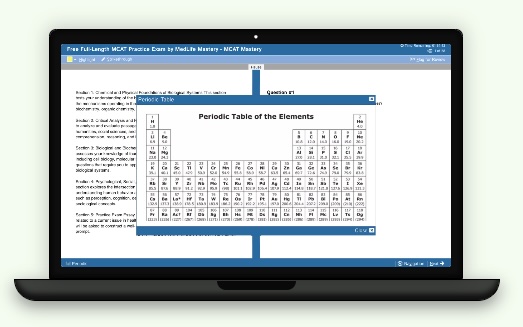
Get a 90+ percentile MCAT scorer to keep you on track and make sure you hit your score goal →
Half of all MCAT takers—about 41%—actually get accepted into med school? But before you start sweating, don’t panic. That number isn’t your destiny, especially if you have a solid game plan to tackle the beast that is the MCAT. Seriously, it’s not about being a super genius. It’s about studying smart.
So, whether you’ve been cramming MCAT notes for weeks or you’ve just realized it’s time to buckle down, this guide will break down the ultimate 3-phase study plan. It’s not just practical—it’s totally doable.
We’ll walk you through how to maximize your study time and make sure you’re ready to crush the exam. Let’s jump in and create an MCAT study schedule that will take you from stressed to successful, one phase at a time.
Phase 1: Content Review—Building a Strong Foundation
Alright, let’s get real for a second. You wouldn’t run a marathon without warming up, right? Same thing goes for the MCAT. You can’t just skip ahead to practice exams without first locking down the basics.
Phase 1: Content Review is all about building that solid foundation. This is where you brush up on the core concepts you’ll need, making sure everything clicks before diving into harder stuff.
How Long Should Content Review Last?
So, how long do you need to spend on content review? Well, it depends.
Most people kick off their content review about 3-6 months before their test date. But there’s no one-size-fits-all approach hereNow, if you’re someone who’s only got a couple of hours a day to study, plan for the full six months. No shame in that—it’s about pacing yourself. On the flip side, if you can commit to full study days, then three months should give you enough time to cover your bases.
Pro Tip: Don’t aim for perfection. You’re not expected to memorize every single page of your textbook before you start practicing. Get comfortable with the basics first, and then you can layer on the details.

What Resources to Use for Content Review
Let’s keep this simple. You don’t need 20 different study books cluttering your desk. A handful of quality resources will do the trick.
Making Content Stick—Active Learning is Key
Let’s be real—nobody’s retaining info just by staring at a textbook. Passive reading doesn’t cut it here. You’ve got to get hands-on with the material.
At the end of each week, test yourself with a few practice questions from Khan Academy or an old exam. This way, you’re building confidence while actively learning.
Phase 2: Passage-Based Review—Learning to Think Like the MCAT
Now that your content knowledge is solid, it’s time to take things up a notch. Enter Phase 2: Passage-Based Review.
This is where the rubber meets the road. You’ve got the knowledge; now you need to learn how to apply it in the way the MCAT asks.
When to Start Passage-Based Review
You should start your passage-based review around 2-4 months before your test date. This is all about application. No more standalone questions or just flipping through facts.
Now it’s time to think like the MCAT—because it’s not enough to just know the info. You need to be able to work through the questions in the way they’re structured on the exam.
Goal of Phase 2: Learn how to approach the MCAT’s passage-based questions and master the timing. The clock is ticking during this exam, and figuring out how to handle those long passages is crucial.
How to Ace Passage-Based Review
It’s one thing to know the facts, but answering questions based on dense passages? That’s a whole different beast. During Phase 2, your goal is to get comfortable with the passage format and train yourself to finish sections within the time limits.
Pro Tip: Hold off on the official AAMC material. You’ll need that for Phase 3. For now, focus on using third-party resources to sharpen your passage skills and timing. This will give you a good feel for the MCAT style without burning through the best stuff too soon.
Phase 3: The Final Push—In-Depth AAMC Review
Welcome to Phase 3—the final push. This is where it all comes together. You’ve built a solid content foundation, you’ve gotten the hang of working through passages, and now it’s time to step up and tackle the real MCAT questions.
When to Start In-Depth AAMC Review
Start this phase 1-2 months before test day. At this point, you should feel pretty good about your content and passage-based skills. Now it’s all about going full steam ahead with the official AAMC material. This is the dress rehearsal for the big day.
How to Structure Your Final Weeks of Prep
The name of the game here is consistency. You’re prepping for test day conditions, so the more you can simulate that environment, the better. Here’s what a typical day in Phase 3 might look like:
For Full-Time Studying:For Part-Time Studying:
Best AAMC Materials to Use
Now it’s time to use the big guns—the official AAMC materials. They’re the most accurate representation of what you’ll see on the actual MCAT.
Pro Tip: Taking the practice exams is only half the battle. The review is just as important, if not more so.
When reviewing your answers, don’t just focus on the ones you got wrong. Look at the ones you got right and make sure you understand why the answer was correct. That way, you can apply the same logic during the real test.Avoid These Common MCAT Prep Pitfalls
Look, we all make mistakes, but when it comes to MCAT prep, you don’t have to. Here are some common mistakes people make—and how to dodge them.
Crafting Your Custom MCAT Study Plan
Now that you’ve got the 3-phase breakdown, it’s time to put together your own personalized study plan. Whether you’re a full-time student or squeezing in MCAT prep after work, this plan will fit your schedule.
Be flexible! If life gets in the way (and let’s face it, it usually does), don’t stress. Just adjust your schedule and keep moving forward.
MCAT Prep Isn’t a Marathon—It’s a Series of Sprints

Here’s the thing—the MCAT is tough, but it’s not unbeatable. It’s not about slogging through endless study sessions. Instead, it’s about working through the 3 phases in manageable chunks.
Stick with it, stay consistent, and—most importantly—take care of yourself along the way. Need a little extra guidance? Sign up for Daily MCAT Dose emails to get free tips, tricks, and study hacks sent straight to your inbox.

 To help you achieve your goal MCAT score, we take turns hosting these