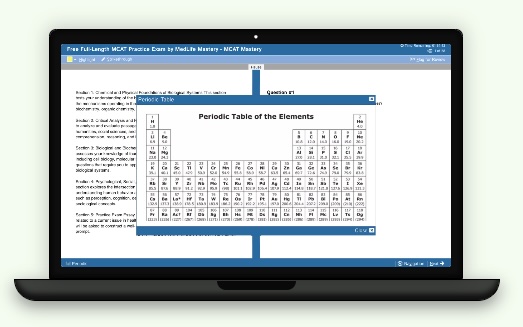
Get a 90+ percentile MCAT scorer to keep you on track and make sure you hit your score goal →
Here’s something to ponder: only 30% of people who take the MCAT score above a 510. Add a full-time job to that, and those odds feel like they shrink even more, right?
But here’s the thing: it can be done, and not just by superhumans. Future doctors like Natasha, who juggled her 40-hour workweek and MCAT prep, and still ended up scoring a 517.
Yeah, she’s a rockstar. But that doesn’t mean you can’t do the same. This isn’t some magical unicorn story. It’s about having the right plan, the right mindset, and staying on top of things.
Whether you’re just dipping your toes into MCAT prep or knee-deep in practice tests, this guide will help keep you on track. Let’s figure out how you can crush it—without going completely bonkers in the process.
1. Get Your Head in the Game
Look, MCAT prep isn’t just about burying yourself in books or memorizing enzymes. You’ve gotta have your head in the right place too. There’s going to be stress.
There’s going to be days when you don’t want to study, and that’s totally normal. You have to figure out how to keep going without letting the stress get the best of you.
Take Time Off When You Need It
First things first: you’re allowed to take breaks. Yeah, for real. Natasha planned to take her MCAT in May 2021, but once she realized she wasn’t ready, she bumped the test back to August. Smart move.
She used the extra time to recharge and get her head straight. The last thing you want is to walk into that test totally burned out and exhausted. That’s a recipe for disaster.
Quick Tip: When you’re feeling like your brain’s about to fry, it’s a sign. Step back. Watch a show, grab dinner with friends, do whatever helps you reset. You’ll come back feeling a lot better—and ready to tackle those study sessions with a clearer head.
Unlike most, we factor in burnout and mindset into our live MCAT prep curriculum where you get through MCAT prep with a 90+ percentile scorer and future doctor.
Kick Negative Thoughts to the Curb
Natasha also hit a point where she felt like she wasn’t doing enough. She’d skip study sessions because she was feeling overwhelmed, then get mad at herself for it.
It’s easy to spiral, but here’s the thing: falling behind doesn’t mean you’re not capable. One bad day, or even one bad week, doesn’t mean you can’t turn it around.
Pro Tip: Instead of beating yourself up with "I’m so behind," try flipping it to, "I’m making progress." It’s a little thing, but it keeps your mindset in a better place. And if you want more tips on mastering your mindset, these MCAT mindset guides can help keep you grounded.
2. Choosing the Right Material: It’s Not About Having Everything
A huge trap people fall into? Thinking they need all the MCAT materials.
Spoiler alert: you don’t. Less is more sometimes, especially when you’re working full-time. So, instead of hoarding books like a dragon hoards gold, stick to the essentials.
Stick to the Best: AAMC, UWorld, and Strategy-Focused Resources
Natasha started like a lot of us—armed with the full Kaplan book set, determined to read every page. But, reality check: she had a full-time job. She eventually realized it wasn’t happening and shifted gears. That’s when she zeroed in on AAMC resources and other helpful resources. These are focused on high-yield topics, the stuff that actually matters on test day.
Quick Tip: Skip the FOMO. You don’t need to drown in a sea of study guides. Get your hands on the AAMC question packs and resources like MedLife Mastery. They cover the must-know material without overwhelming you with endless content.
And if money’s tight, AAMC’s fee assistance program is a solid option to help cover costs. Plus, your university’s career center might have resources to help out too.
3. Balancing MCAT Prep with a Full-Time Job (Without Losing Your Mind)
Let’s face it, balancing work and MCAT prep can feel like juggling flaming swords. But it doesn’t have to be a complete circus act. With the right strategy, you can make it work without losing your sanity.
Find Your Golden Hours
Natasha worked a regular 40-hour week, and by the time she got home, she was drained. But instead of forcing herself to study when she was wiped, she found her golden hours—those times when her brain was actually awake. Some days, it was early mornings before work.
Other days, it was right after dinner. The key was studying when she felt sharp, not just pushing through when she was too tired to focus.
Quick Tip: Find those golden hours. Maybe it’s an hour before work. Maybe it’s in the afternoon. Whatever it is, make it consistent. Block out 30 minutes in the morning or an hour after dinner and commit to it. It’s about steady progress, not marathon study sessions.
Mini-Sessions for the Win
The idea that you need hours of uninterrupted study time is a myth. Natasha snuck in mini study sessions during lunch breaks or whenever she had a few free minutes. And guess what? It works. Flashcards, practice questions—it all adds up.
Pro Tip: Keep a deck of Anki flashcards on hand, or use Quizlet when you have a few minutes. Natasha made her own Anki deck for terms she struggled with, and it was a game-changer.
Need help with structuring your study time? Check out the Top Scorer MCAT Course for even more tips on maximizing those mini-sessions (it's free).
4. Why You Should Ditch Pure Content Review and Focus on Practice
Here’s a hot take: you don’t need to know every tiny detail in those MCAT books. Seriously. The MCAT isn’t just about how much you’ve memorized—it’s about knowing how to use what you’ve learned.
Practice Questions Over Pure Content
At first, Natasha spent hours grinding through textbooks, trying to learn every single term. But here’s the thing: once she switched gears to practice questions, her scores started to climb. That’s because practice questions force you to think critically, not just spit out facts. And that’s what the MCAT really tests.
Quick Tip: Set a goal to do 20-30 practice questions every day. And make sure they’re AAMC questions since they’re closest to the real test. You’ll get a better idea of what to expect, and you’ll start identifying where you need to improve.
Target Your Weak Spots
After Natasha's first practice test, she saw that her bio-biochem and psych sections weren’t where they needed to be. So she honed in on those areas.
She spent a week drilling questions and doing flashcards on the material she struggled with the most. By focusing on weak spots instead of trying to re-learn everything, she turned things around fast.
Pro Tip: Don’t freak out about a low score on your first practice test. Focus on one weak area at a time. Drill it. Review it. Drill it again. And if you’re stuck on a specific section, these free MCAT practice sessions are a great way to get extra practice.
5. The Secret to Boosting Your Score: Mastering Test-Taking Strategy
You can know all the content in the world, but if your test-taking strategy isn’t on point, you’re going to have a rough time. Luckily, test strategy is something you can learn and improve, just like content.
Practice Reading Passages Like a Pro
One of Natasha's biggest breakthroughs came when she figured out how to read passages better. She realized she was missing answers simply because she was getting bogged down by unfamiliar words. Once she started practicing passage analysis and focusing on key information, her scores jumped.
Quick Tip: Don’t get tripped up by fancy terms. Focus on finding the main ideas in the passage and linking them to the questions. Want more help? Check out these MCAT strategy videos for tips on mastering passage-based questions.
Review Your Mistakes, Every Single One
Natasha didn’t just take practice tests and call it a day. She reviewed every single question she missed, broke down what went wrong, and figured out how to avoid making the same mistakes again. That’s how she turned her weaknesses into strengths.
Pro Tip: After each practice test, spend time going over your mistakes. Don’t just glance at the wrong answers and move on—figure out why you missed them and how to fix it. This is where the real growth happens.
6. Final Weeks of Prep: What Really Matters
The final stretch before your MCAT can be nerve-wracking, but it doesn’t have to be. It’s not about cramming last-minute facts—it’s about confidence and keeping a level head.
Confidence Is Key
Once Natasha started consistently scoring in the 517 range on her practice exams, she knew she had it in her to do well. It wasn’t just about knowing the material anymore; it was about trusting that she could show up and perform on test day. Confidence is a huge part of MCAT success, especially when the pressure’s on.
Quick Tip: Take one last full-length practice test about a week before the real deal, and then let it go. Trust the work you’ve done and give your brain a break in the final days. It’s all about going into the test feeling confident and calm.
Don’t Forget to Rest
The night before her MCAT, Natasha didn’t cram. She had a pasta dinner with her mom and got plenty of sleep.
Genius, right? Cramming at the last minute just amps up your stress levels. Instead, focus on going into test day feeling well-rested and ready to show what you’ve got.
Pro Tip: Plan something relaxing for the night before. Watch a movie, have dinner with friends, whatever helps you unwind. And if you need some help calming those nerves, try this MCAT meditation to clear your head before bed.
Balancing a full-time job and MCAT prep might feel like you’re juggling fire, but it’s doable. Just ask Natasha. With smart strategies, a positive mindset, and some solid study resources, you can absolutely crush the MCAT—even with a busy schedule.
So whether you’re just getting started or in the thick of prep, take a deep breath and trust the process.

 To help you achieve your goal MCAT score, we take turns hosting these